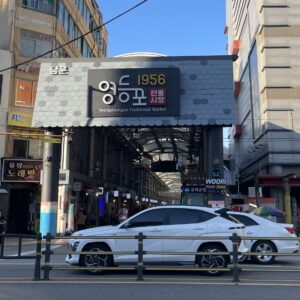
219 A short trip to Korea packed with activities ( 8 / 10 )
【先ほどのバス旅】を終え、永登浦駅まで戻ってきました。
この時は駅東側の散策です。
Having finished 【the bus trip mentioned earlier】, I’ve returned to Yeongdeungpo Station.
This time, I’m exploring the area to the east of the station.
【앞서 했던 버스 여행】을 마치고, 영등포역까지 돌아왔습니다.
이번에는 역 동쪽을 산책합니다.
★
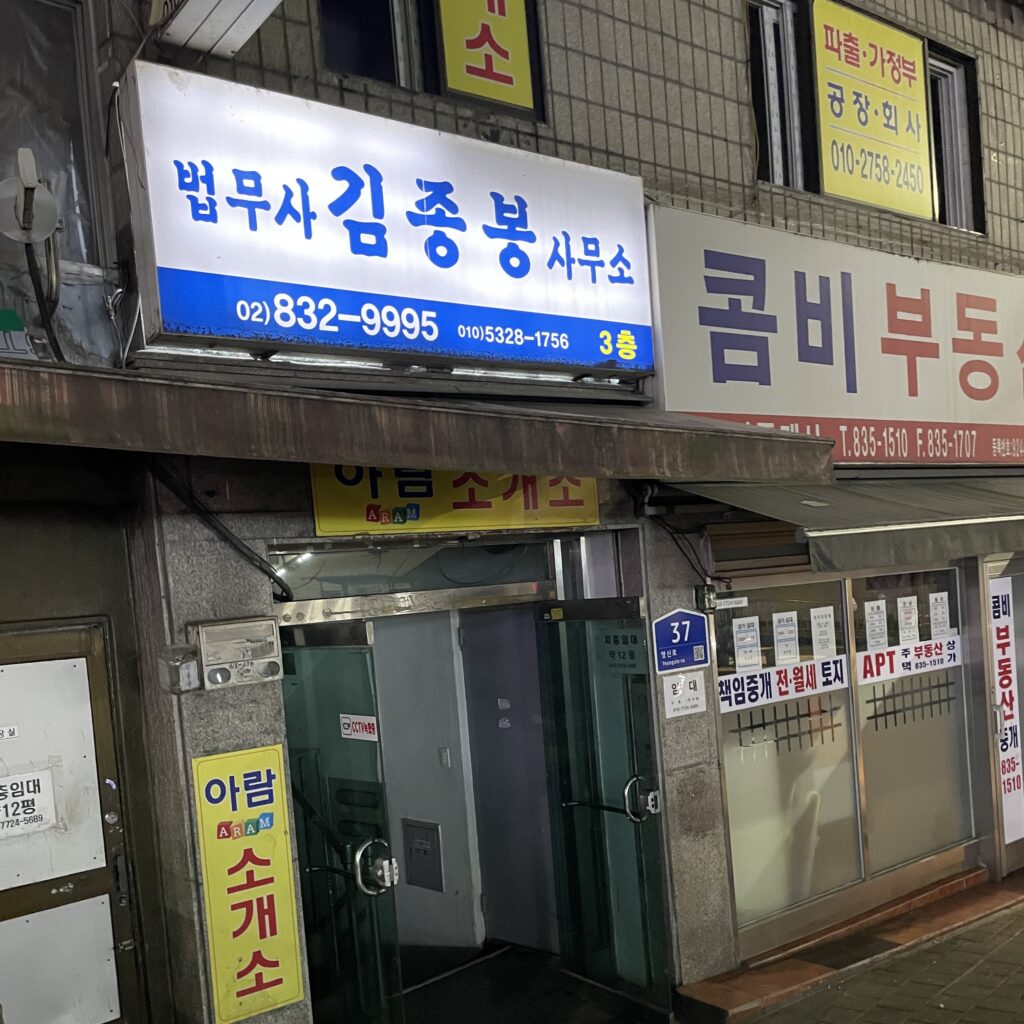
日本で言えば「司法書士」事務所。
韓国語では「法務士」というのですね。
There was a judicial scrivener’s office on the street corner.
길모퉁이에는 법무사 사무소가 있었습니다.
★
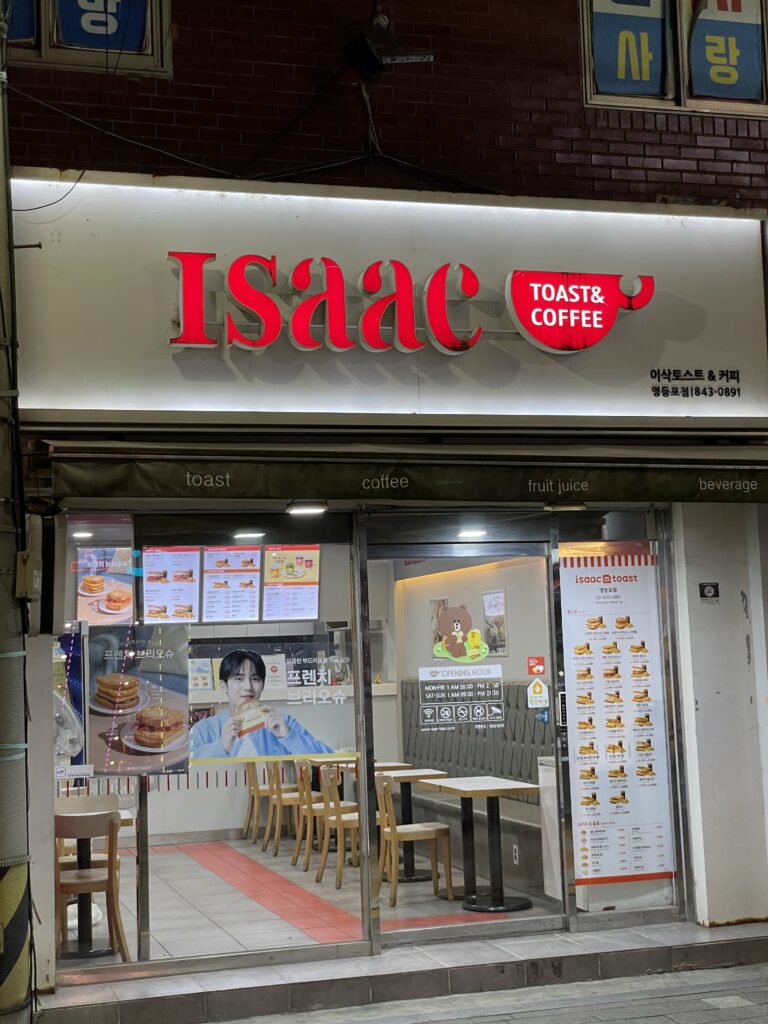
今の流行りでしょうか、フランチャイズの「トースト」ショップです。
そういえば、最近見たKBSワールドで見た週末ドラマでも、トースト屋さんが劇中に出ていました。
Perhaps it’s the latest trend—it’s a franchise “toast” shop.
Come to think of it, a toast shop even appeared in a Korean drama I watched in Japan recently.
요즘 유행인가 봐요, 프랜차이즈 ‘토스트’ 가게입니다.
그러고 보니, 최근 일본에서 본 KBS 월드의 주말 드라마 ‘독수리 5형제를 부탁해!’에도 토스트 가게가 등장했었죠.
★
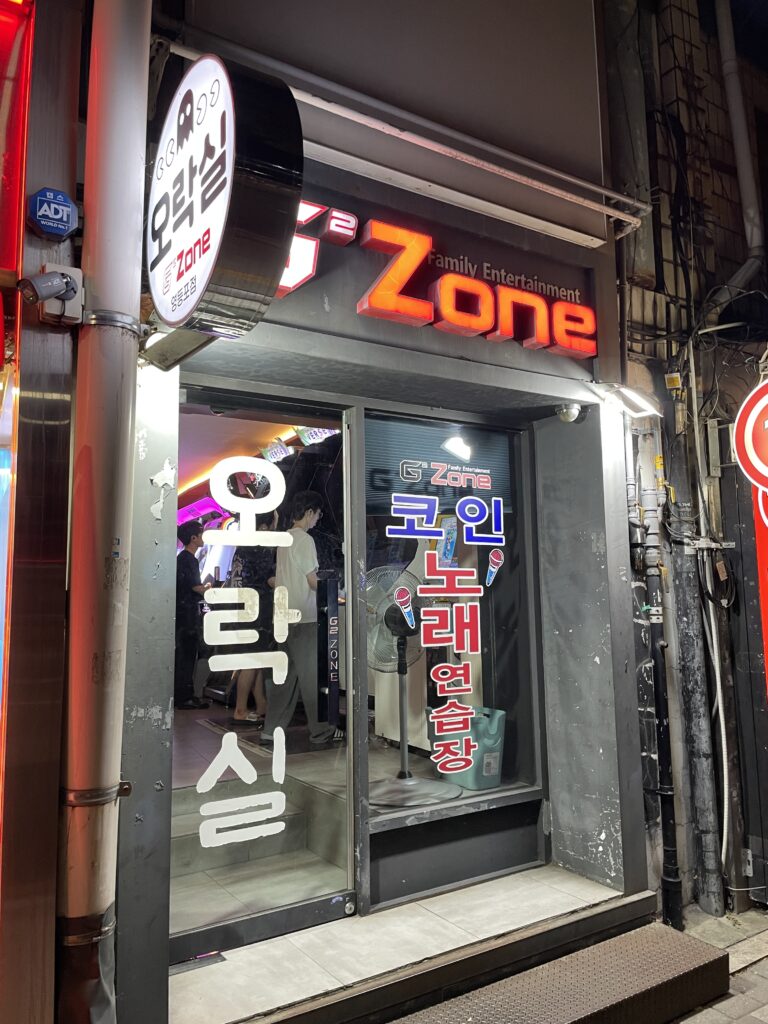
ゲーセンとカラオケでしょうか。
「娯楽室」、「歌練習場」と書いてあるようです。
Arcades and karaoke—these are sights you also see in Japan.
오락실과 노래 연습장, 일본에서도 볼 수 있는 풍경입니다.
★
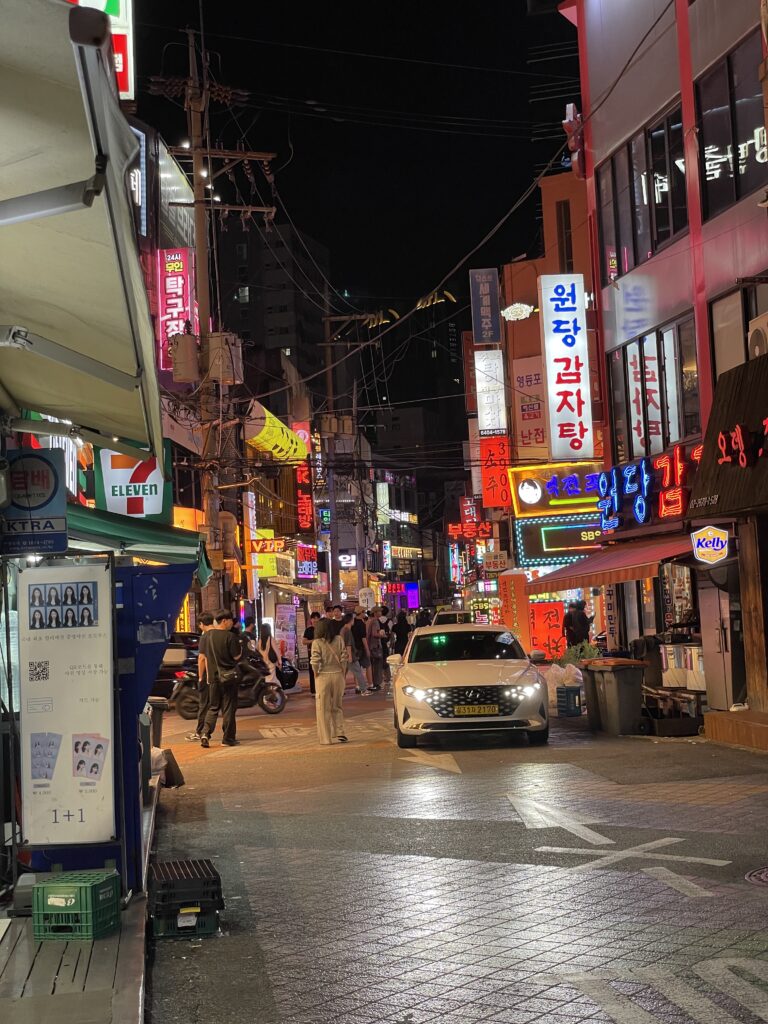
駅の「東側」は「西側」と比べて、馴染みやすい雰囲気でした。
The “east side” of the station had a more approachable atmosphere compared to the “west side.”
역의 ‘동쪽’은 ‘서쪽’에 비해 친근하게 느껴지는 분위기였습니다.
★
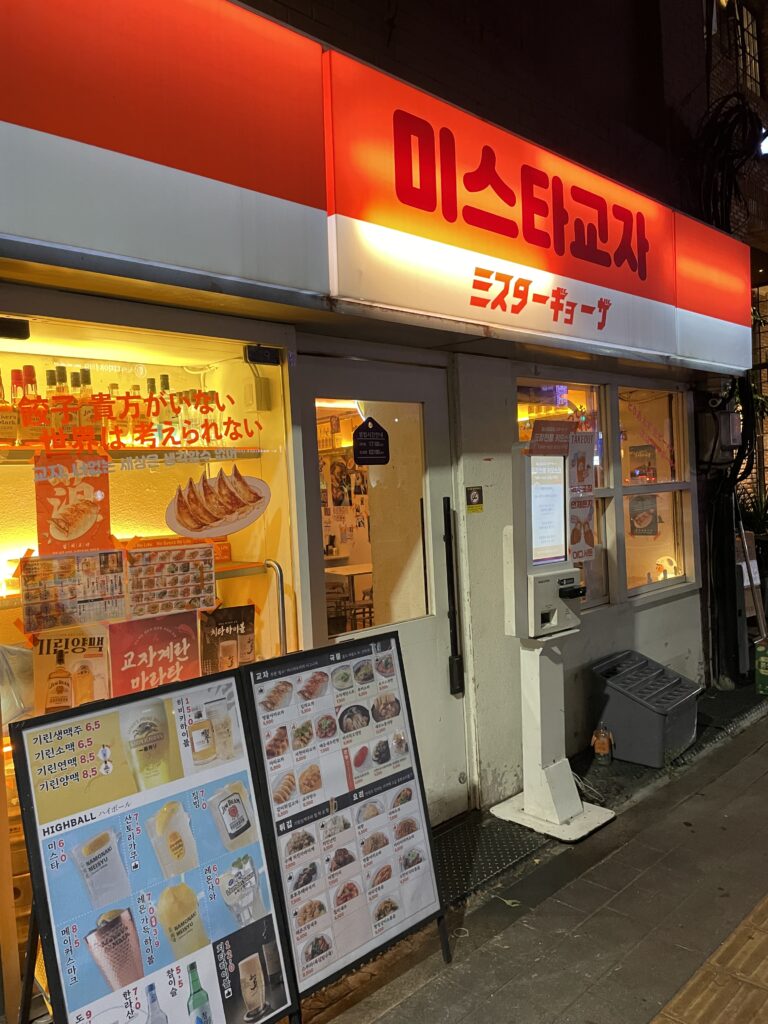
駅の西側ですが、日本の餃子チェーン店がありました。
日本風の餃子も人気があるようです。
On the west side of the station, there was a Japanese gyoza chain restaurant.
Japanese-style gyoza also seem to be popular.
( “Gyoza are pan-fried dumplings with a crisp bottom and thin skin, filled with pork, cabbage, garlic and chives.” )
역 서쪽인데, 일본 교자(만두) 체인점이 있었습니다.
일본식 교자(만두)도 인기가 있는 것 같습니다.
★
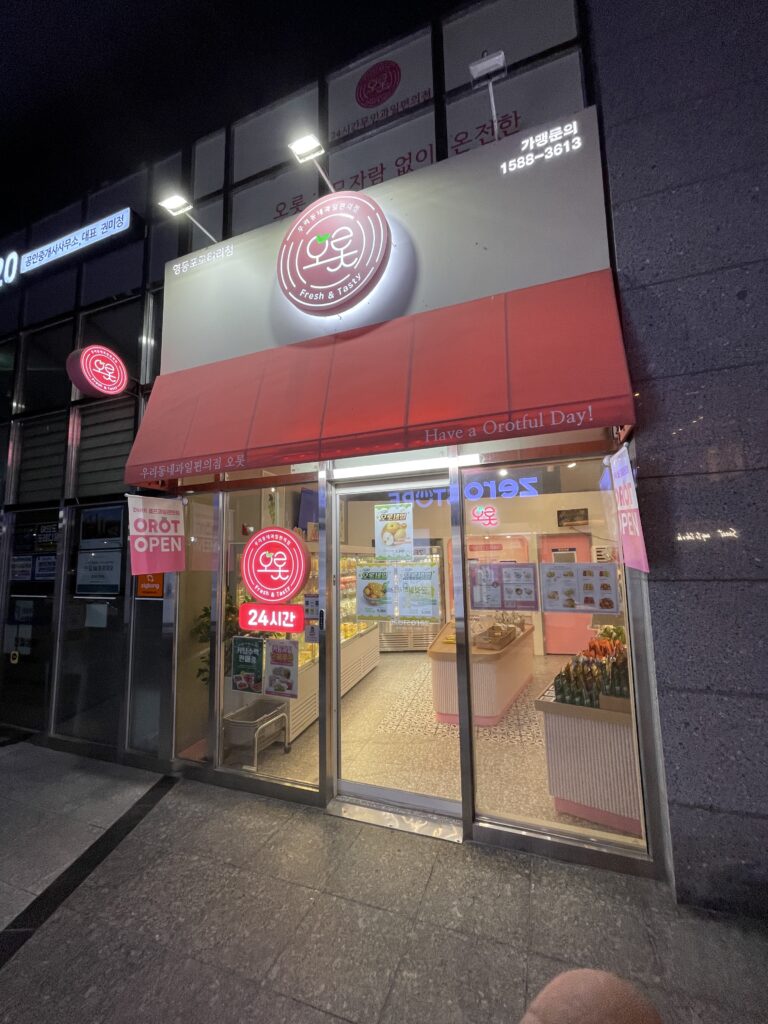
こちらは宿の近くの、無人フルーツショップ。
【先ほど訪れたアイスクリームショップ】のように、このような無人店舗が普及していました。
This is an unmanned fruit shop near the lodging.
Unmanned stores【 like the ice cream shop I visited earlier—】were quite common.
여기는 숙소 근처에 있는 무인 과일 가게입니다.
[방금 방문했던 아이스크림 가게]처럼, 이런 무인 점포들이 보급되어 있었습니다.
★
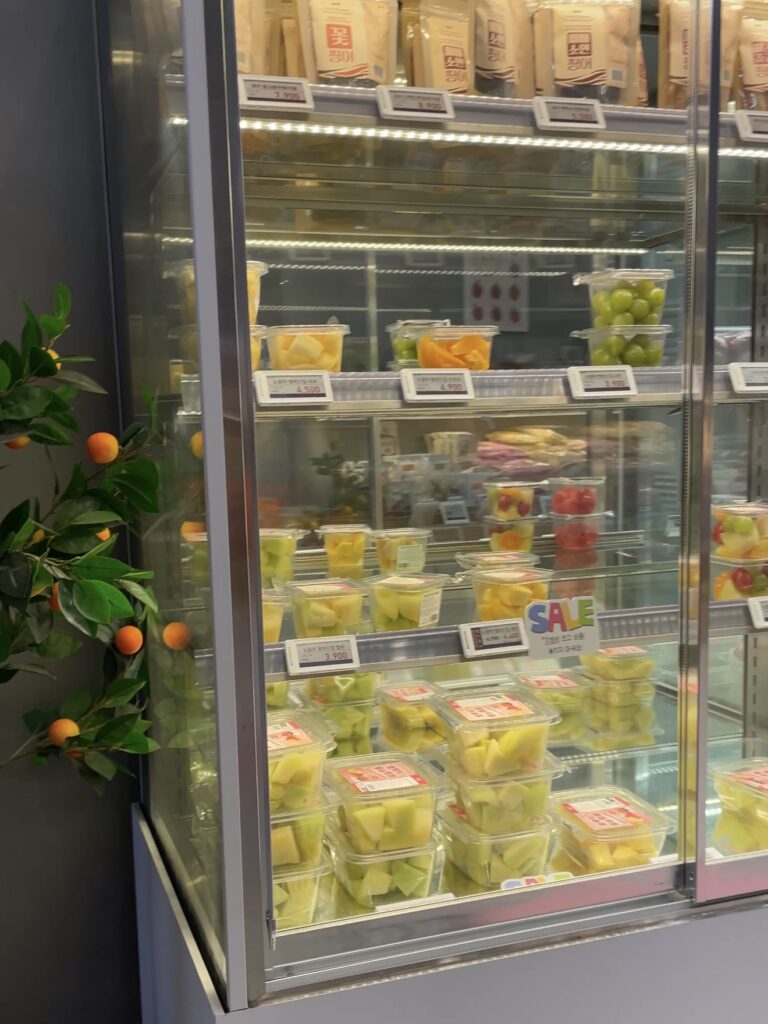
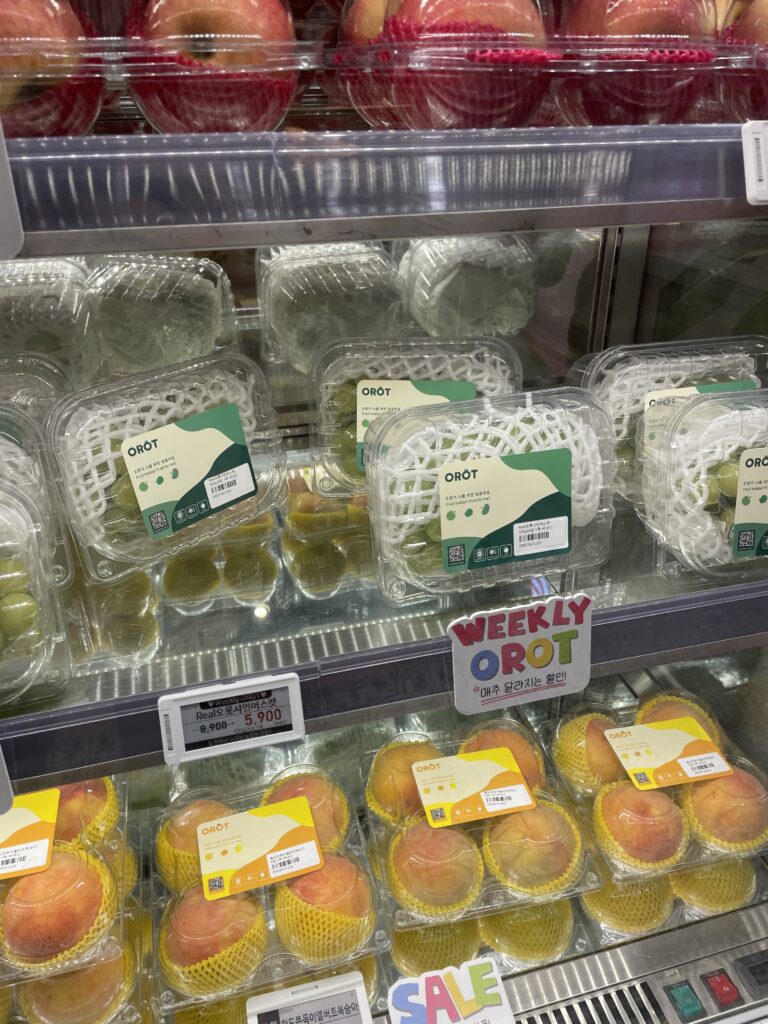
店内にはカットフルーツや、さまざまな果物が揃っています。
The store offers a selection of cut fruit and a variety of other fruits.
매장 안에는 손질된 과일과 다양한 과일이 갖춰져 있습니다.
★
多くのフルーツに目移りしてしまいましたが、宿でいただくこともあり、カットフルーツのパックにしました。
そして、近くのコンビニで見かけて買ってしまったのは、近頃日本では目にすることがなくなった、「メッコール」!
There were so many fruits to choose from that I couldn’t decide, but since I planned to enjoy them at my accommodation, I opted for a pack of pre-cut fruit.
And then, I spotted something at a nearby convenience store—a drink called “Maekkol”—which I hadn’t seen in Japan for quite some time, so I ended up buying it!
다양한 과일들을 보고 무엇을 고를지 고민이 많았지만, 숙소에서 먹을 생각으로 손질된 과일 팩을 선택했습니다.
그리고 근처 편의점에서 발견해 충동적으로 사버린 것은, 요즘 일본에서는 좀처럼 보기 힘들어진 ‘맥콜’이었다!
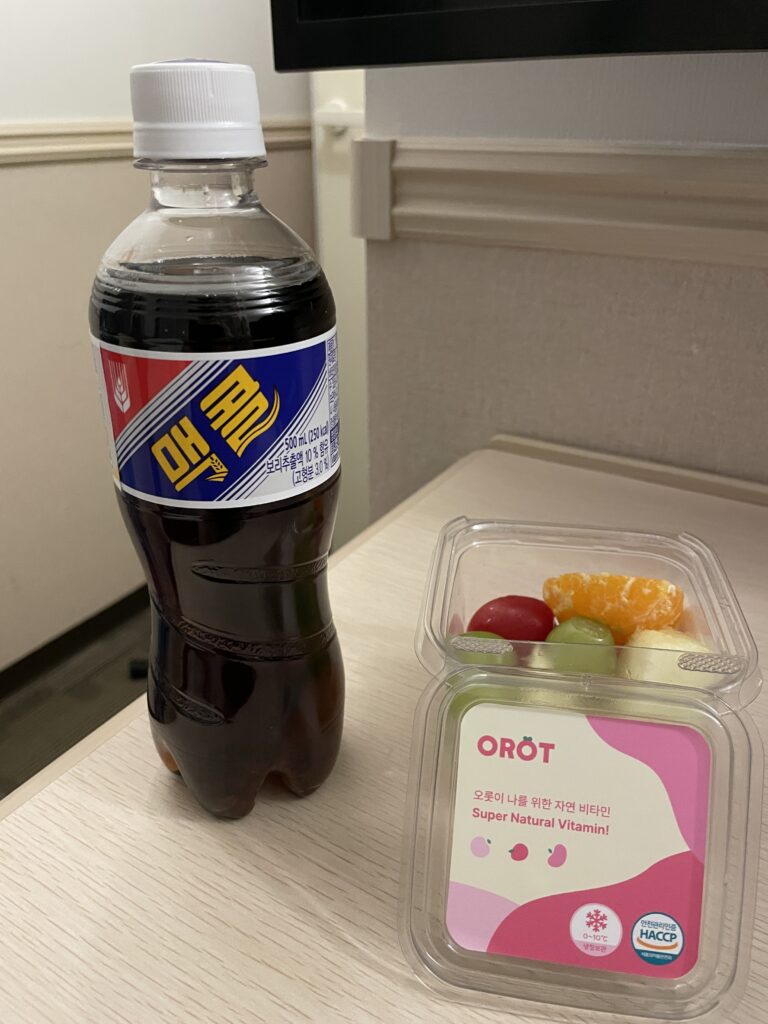
このメッコールの味はというと、「コーラの麦茶割り」そのものです。
その名前も韓国語でムギを表す「メク」と「コーラ」を足した造語とのことです。
かつて、このメッコールのことで韓国人の友人と話していた時に面白い話を聞いたことがあります。
彼は幼少の頃このメッコールが大好きで、お母様に「ご飯にかけて食べたい!」と泣いて懇願したそうですが、普段お優しいお母様も「頑として」お許しにはならなかったそうです。
まあ、そうですよね。。
(ちなみにその彼も今では日本の大学で教鞭を取られ、可愛いご子息もいらっしゃいます。。)
As for the taste of Mekkol, it is essentially “cola mixed with barley tea.”
The name itself is a coined term, combining “mek”—the Korean word for barley—with “cola.”
I once heard an interesting story while talking to a Korean friend about Mekkol.
As a child, he loved this “Mekkol” so much that he tearfully begged his mother, “I want to pour it over my rice and eat it!” However, his mother—who was usually very kind—remained adamant and refused to let him do it.
Well, I suppose so…
(Incidentally, he now teaches at a Japanese university and has a lovely son.)
이 ‘메콜’의 맛은, 말하자면 ‘콜라를 보리차에 탄 것’ 그 자체입니다.
예전에 이 ‘맥콜’에 관해 한국인 친구와 이야기를 나누던 중, 재미있는 이야기를 들은 적이 있습니다.
그는 어릴 적 이 ‘메콜’을 무척 좋아해서, 어머님께 “밥에 뿌려 먹고 싶어요!”라고 울며 간청했다고 합니다. 하지만 평소 다정하시던 어머님께서도 ‘완강하게’ 허락하지 않으셨다고 하네요.
뭐, 그렇긴 하네요…
(참고로 그분도 지금은 일본의 대학에서 가르치고 계시며, 귀여운 아들도 두셨답니다.)
★
そして、永登浦駅東側の街で見つけたお店の名前が、私にとって過去最高のネーミングでした。
(2階部分のお店です。)
And the name of a shop I discovered in the neighborhood east of Yeongdeungpo Station was, for me, the best name I’ve ever come across.
(The shop is located on the second floor.)
그리고 영등포역 동쪽 거리에서 발견한 가게 이름은, 제게 있어 역대 최고의 네이밍이었습니다.
(2층에 위치한 가게입니다.)
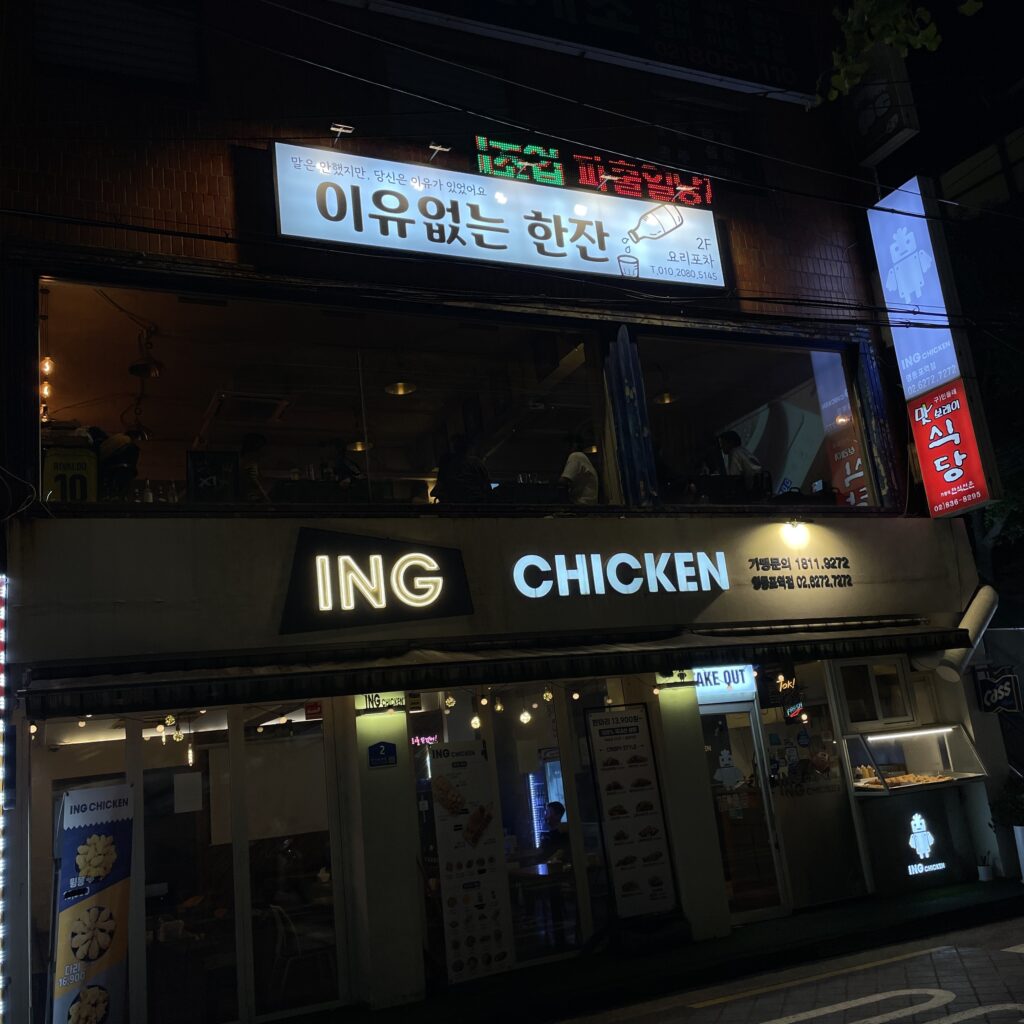
日本語にすると、「理由なき一杯」。
最高です!
In English, it would be “A Drink Without a Reason.”
That’s absolutely wonderful!
「이유 없는 한 잔」.
최고예요!
★
(つづく)
(to be continued)
( 다음 이야기로 이어집니다.)
★
ご拝読、有難うございました。
Thank you for your reading this post.
읽어 주셔서 감사합니다.
またのお越しを、お待ちしています。
I’m looking forward to your next visit.
다음에 또 뵙기를 기다리겠습니다.