196 A journey to visit diesel railcars running in Ibaraki Prefecture. ( 1 / 2 )
今回の目的地は茨城県。
ディーゼルカーが走る、2つの路線を訪れます。
★
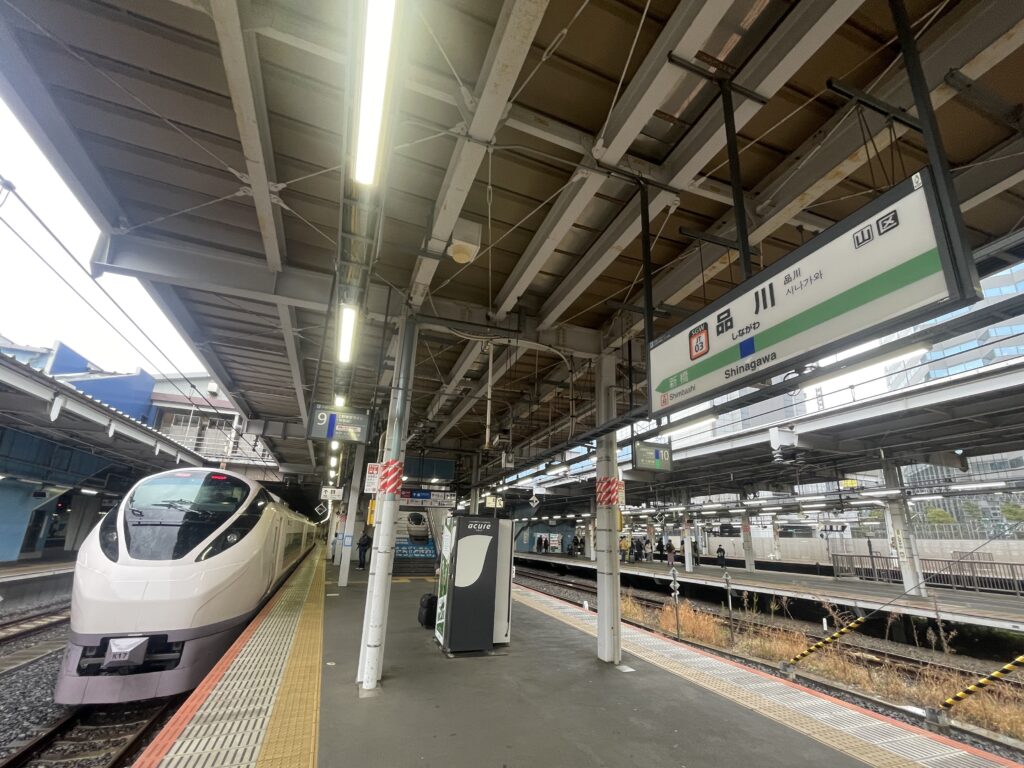
スタートは品川駅。
特急「ときわ」で、まずは茨城県の勝田駅を目指します。
The starting point is Shinagawa Station.
First, I’ll take the limited express “Tokiwa” to Katsuta Station in Ibaraki Prefecture.
★
この列車には、西日本エリアでは見かけなくなったワゴンサービスでの車内販売がありました。
そこで手にしたのは、、
This train featured onboard sales via trolley service, a service that has become rare in the western Japan area.
What I got there was…
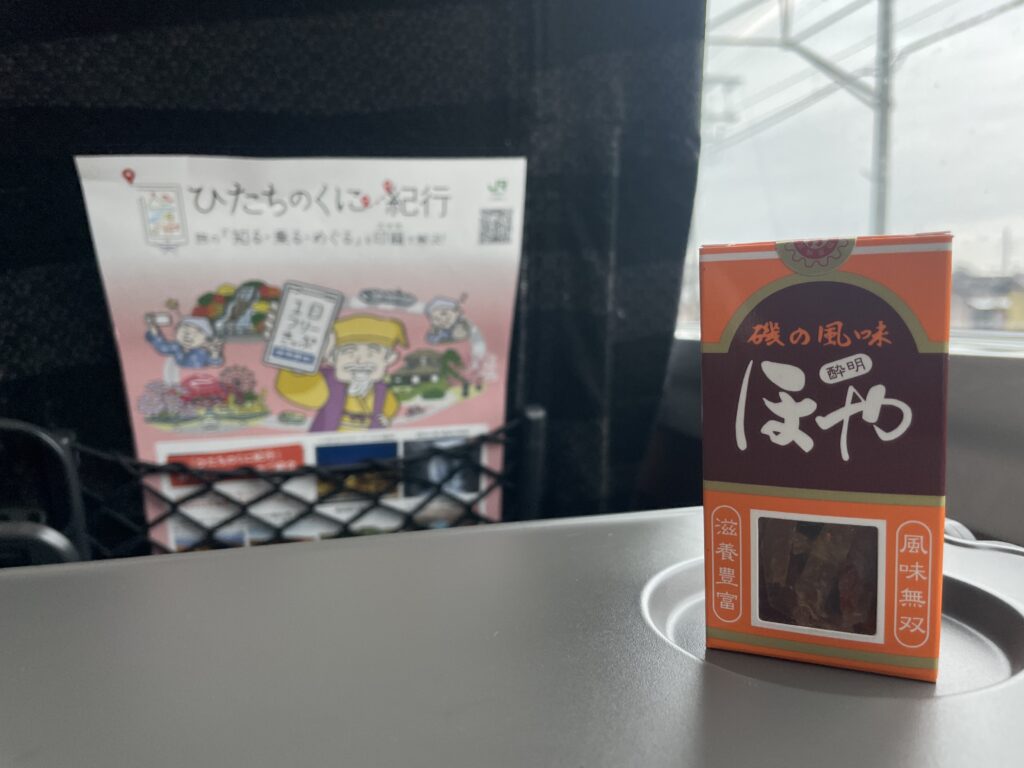
「ほや」の珍味。
私は未だかつて「ほや」と言うものを、見たことも食したこともないのですが、勢いで手にしてしまいました。。
「ほや」をGoogle検索すると、、⬇️
ホヤは貝や魚ではなく、「脊索動物(せくさくどうぶつ)」という動物の仲間です。見た目のゴツゴツとした形状から「海のパイナップル」とも呼ばれ、甘味・塩味・苦味・酸味・うま味の5つの味をすべて備えているのが大きな特徴です。
A delicacy made from Hoya ( = sea squirts).
I’ve never seen or eaten a “Hoya ( = sea squirt)” before, but I impulsively picked one up.
Here are the results of a Google search for “Hoya ( = sea squirt)” ⬇️
Hoya ( = Sea squirts ) are not shellfish or fish, but belong to a group of animals called “chordates.” They are also called “sea pineapples” because of their bumpy appearance, and a major characteristic is that they possess all five tastes: sweet, salty, bitter, sour, and umami.
★
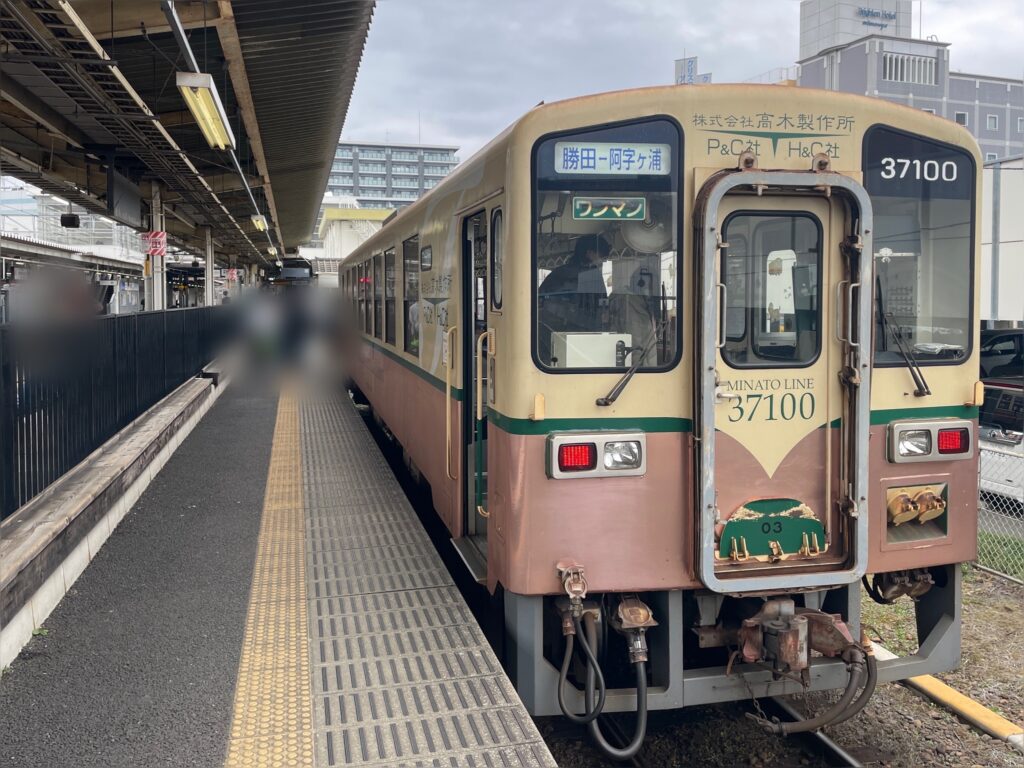
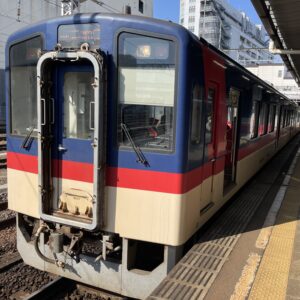
その後、勝田駅からは、ひたちなか海浜鉄道のディーゼルカーに乗車します。
After that, I boarded a diesel train on the Hitachinaka Seaside Railway from Katsuta Station.
★
ディーゼルカーの走行音は、趣があり旅情たっぷりです。
The sound of a diesel train running has a certain charm and evokes a strong sense of travel.
★
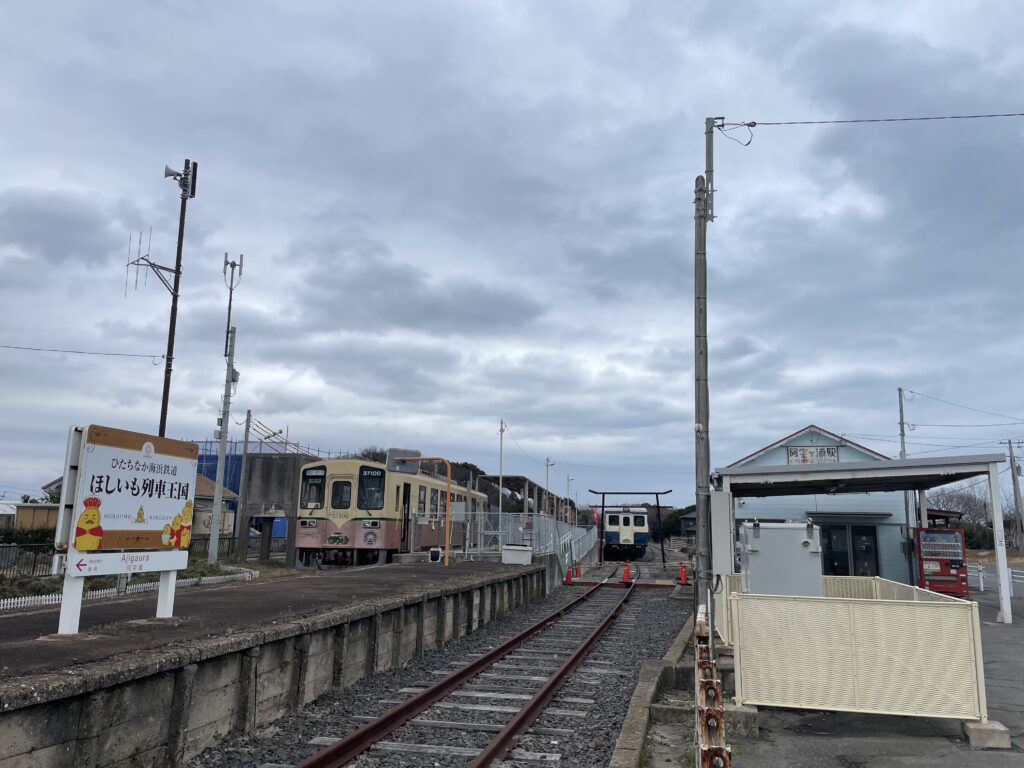
終着の阿字ケ浦駅です。
このあたりは「干し芋」が名産のようです。
This is the final stop, Ajigaura Station.
It seems that Hoshi-Imo ( dried sweet potatoes ) is is a local specialty around here.
★
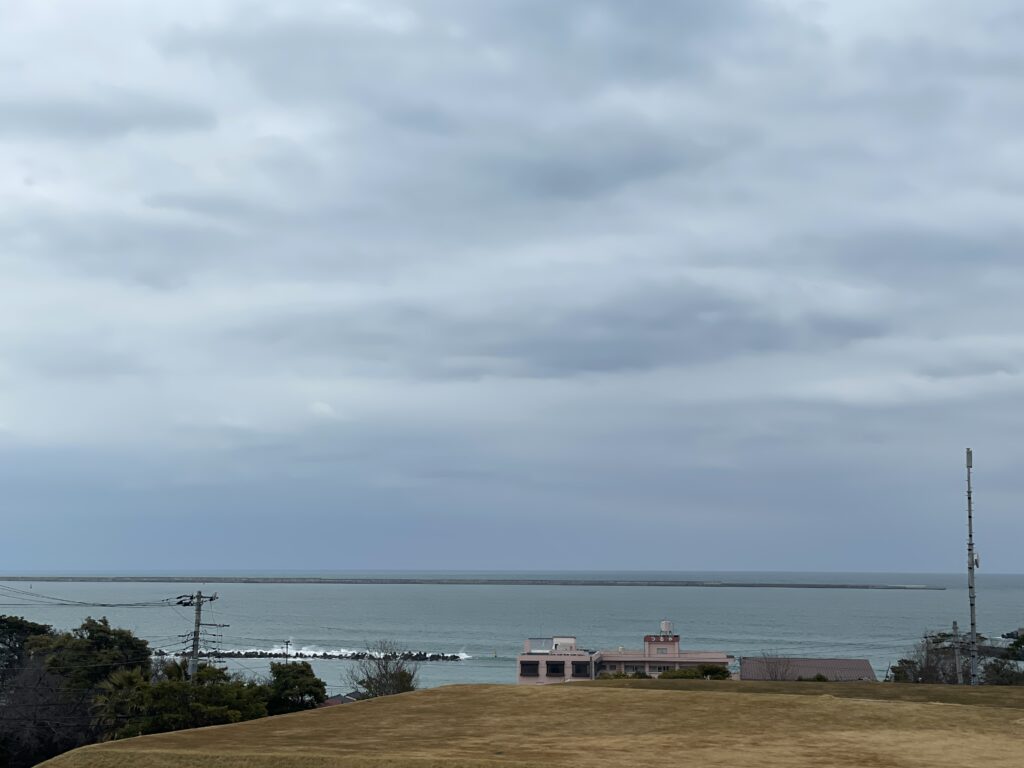
駅から5分ほど歩くと、高台から太平洋の雄大な姿を見ることができます。
A five-minute walk from the station will take you to a hilltop where you can see the magnificent view of the Pacific Ocean.
★
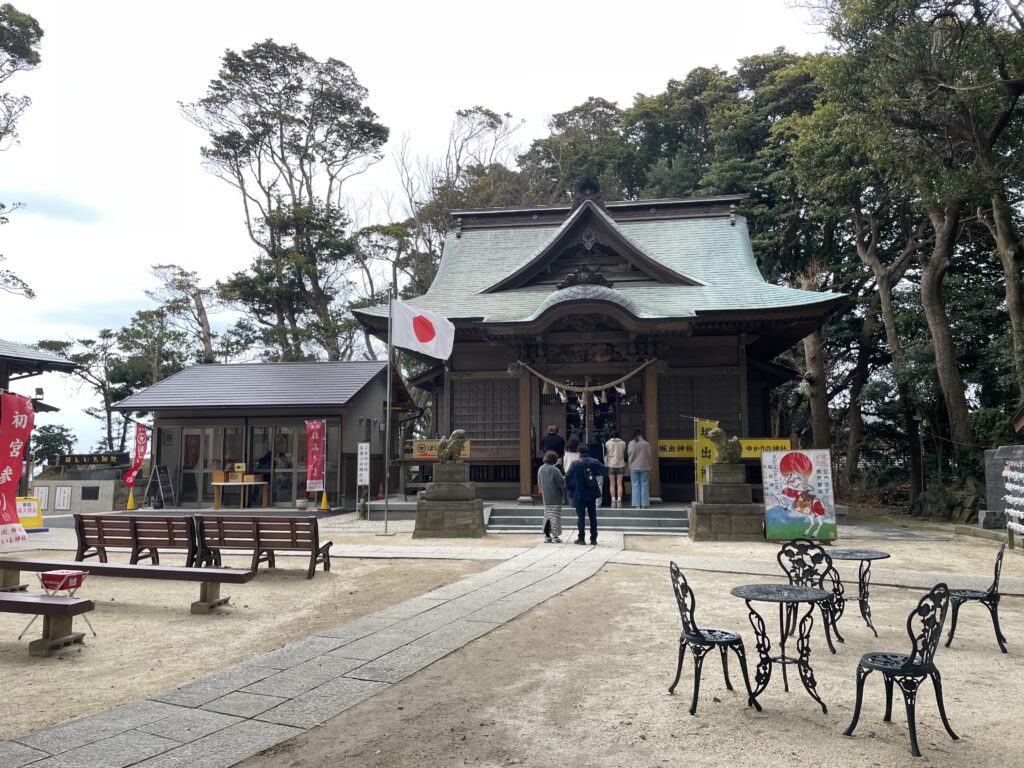
この立派な社殿は「ほしいも神社」とも呼ばれる「堀出神社」です。
This magnificent shrine is Horide Shrine, also known as Hoshi-Imo Shrine.
Hoshi – Imo is a traditional Japanese snack made of dried sweet potatoes.
It has a chewy texture and natural sweetness.
★
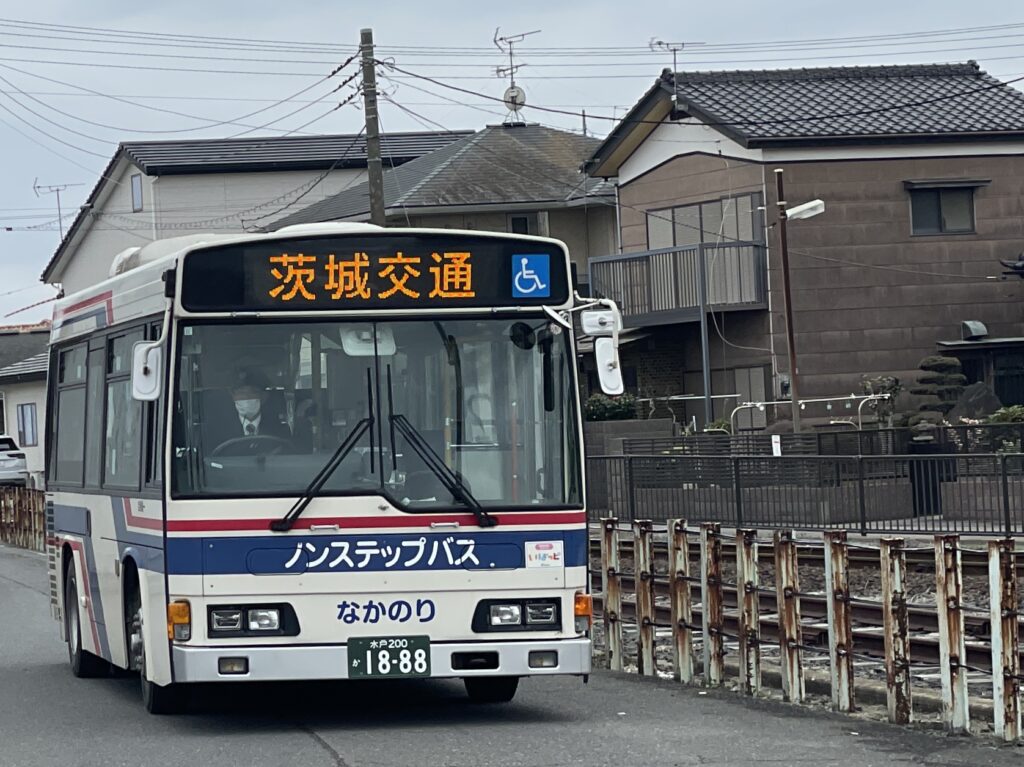
お参りの後は路線バスに乗車です。
After worship the shrine, I boarded a local bus.
★
列車からはあまり見えなかった、海沿いの風景を眺めながらバスは走ってゆきます。
The bus travels along, offering views of the coastal scenery that wasn’t very visible from the train.
★
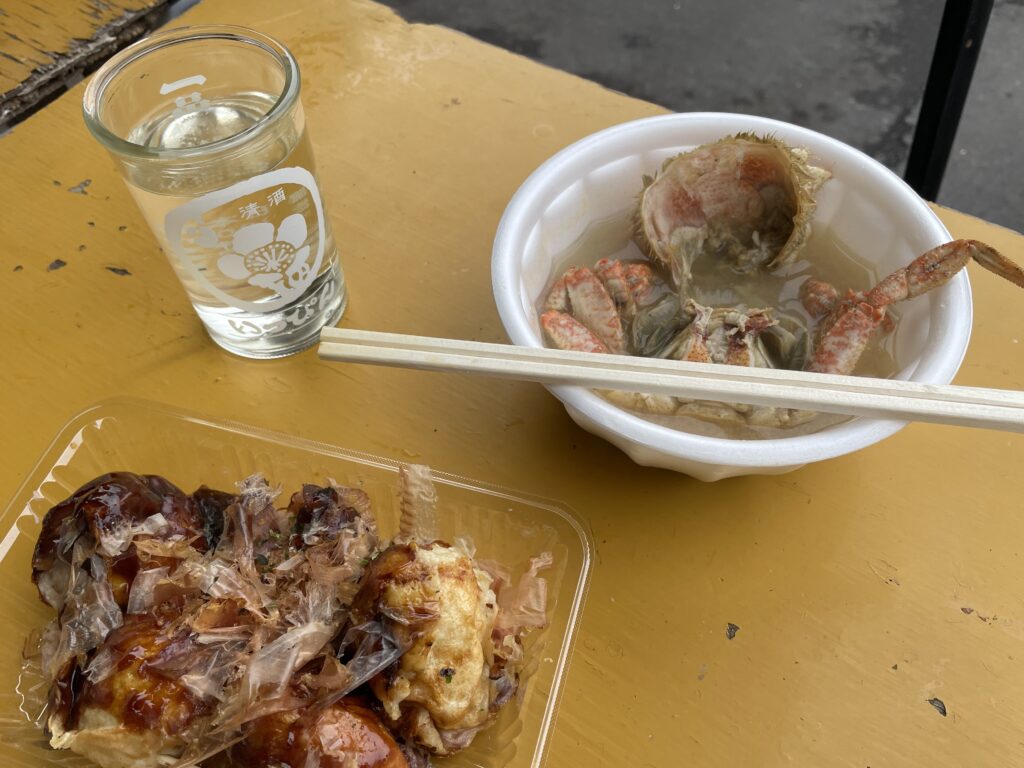
この界隈では有名な観光地、「那珂湊おさかな市場」でのランチタイム。
冷たい雨が降っていたので、「カニの味噌汁」、「イイダコのたこ焼き」、そして「熱燗の日本酒」で暖まりました。
Lunchtime at Nakaminato Fish Market, a well-known tourist spot in this area.
It was raining and cold, so I warmed myself up with crab Miso soup, baby octopus Takoyaki, and hot sake.
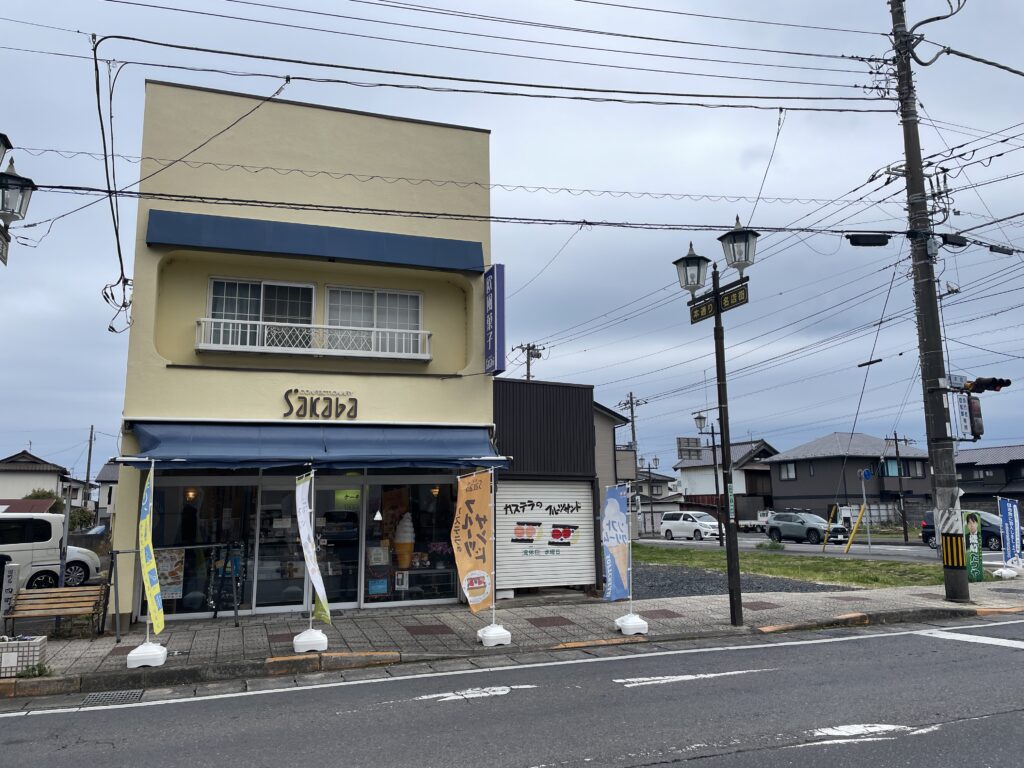
那珂湊駅に向かう途中で見つけた洋菓子店、Sakabaさん。
I found a confectionery shop called Sakaba on my way to Nakaminato Station.
★
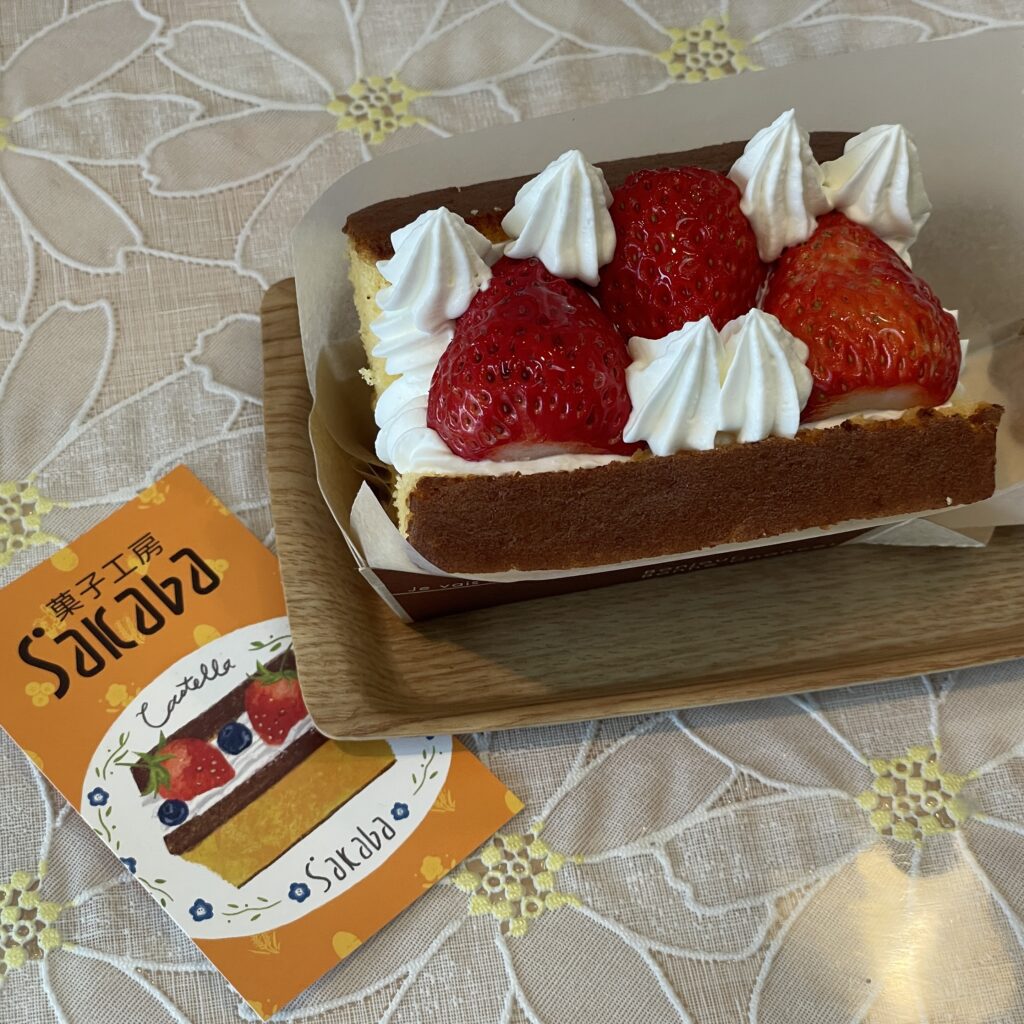
シンプルなスイーツで、とても美味しかったです!
It was a simple dessert, but it was very delicious!
★
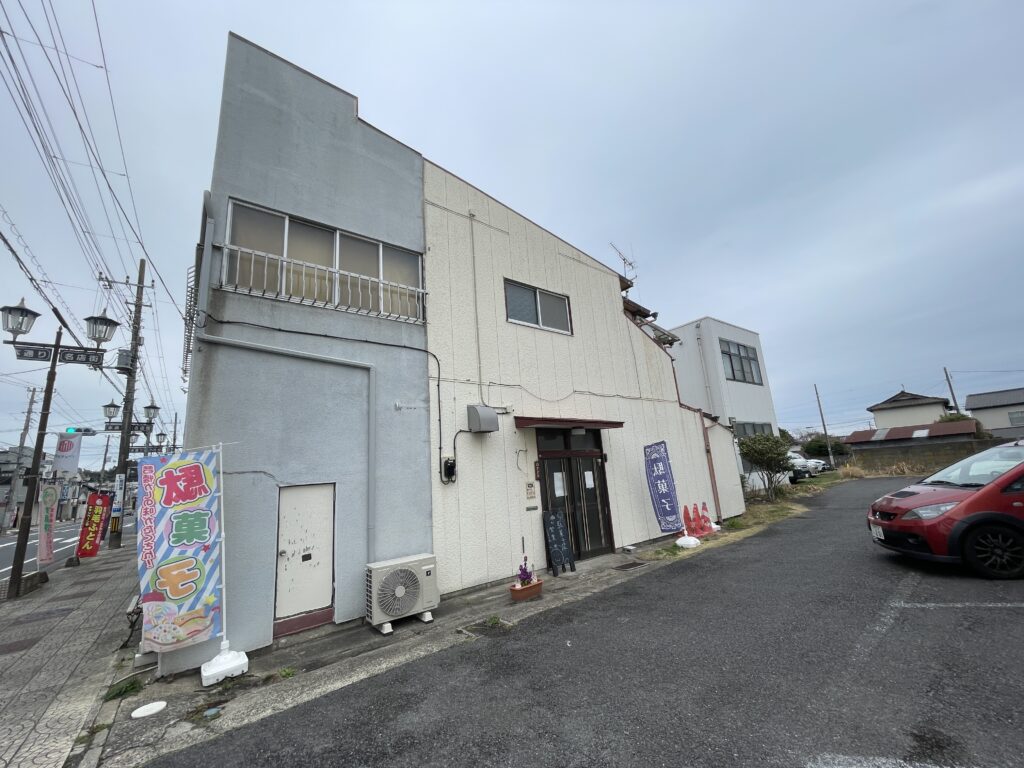
そのお隣に、「駄菓子屋 こーじ」さんというお店を見つけました。
Next door, I found a shop called “Dagashiya Koji” (Koji’s Candy Store).
★
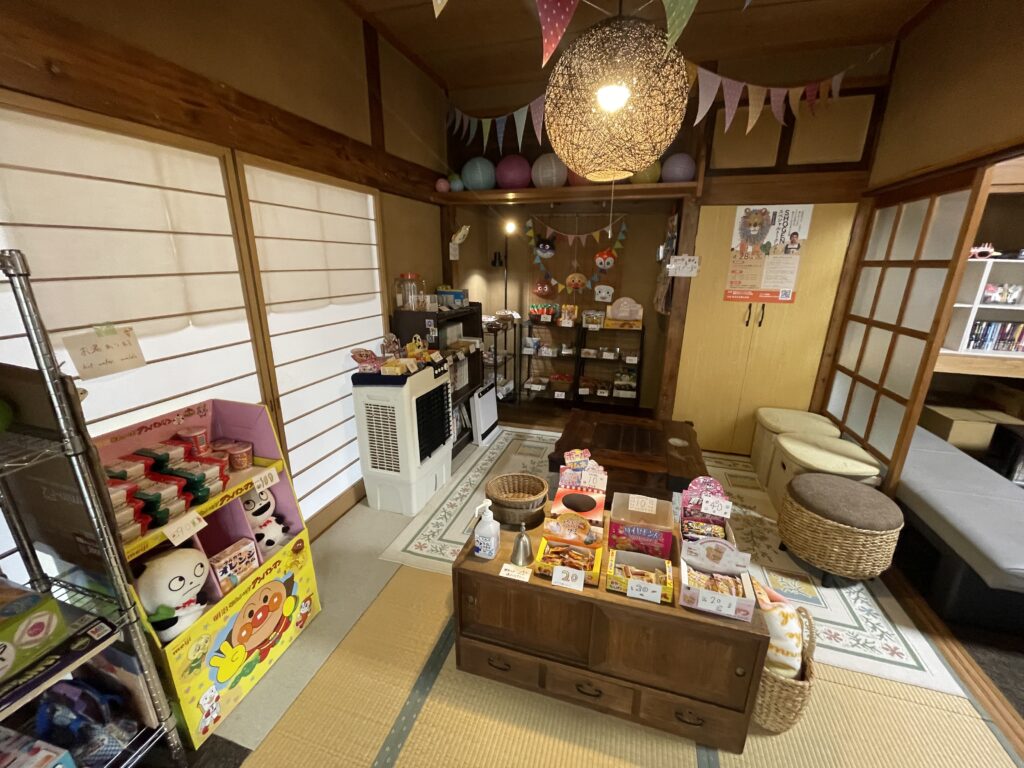
建物外観からの予想に反して、とてもノスタルジックな良い雰囲気のお店でした。
ここなら、何時間もお菓子を買い足しながら居続けることができそうです。
Contrary to what I expected from the building’s exterior, it was a very nostalgic and charming shop.
I could easily stay here for hours, buying more snacks along the way.
★
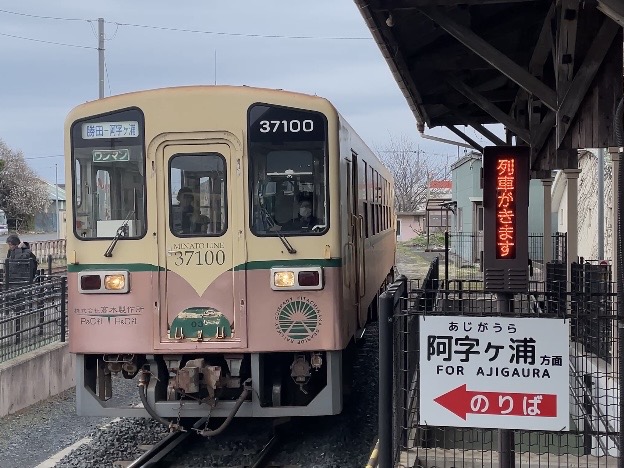
那珂湊駅からは再び列車に乗り、今夜の宿泊地である水戸市に戻ります。
From Nakaminato Station, I’ll take the train again and return to Mito City, where I’ll be staying tonight.
★
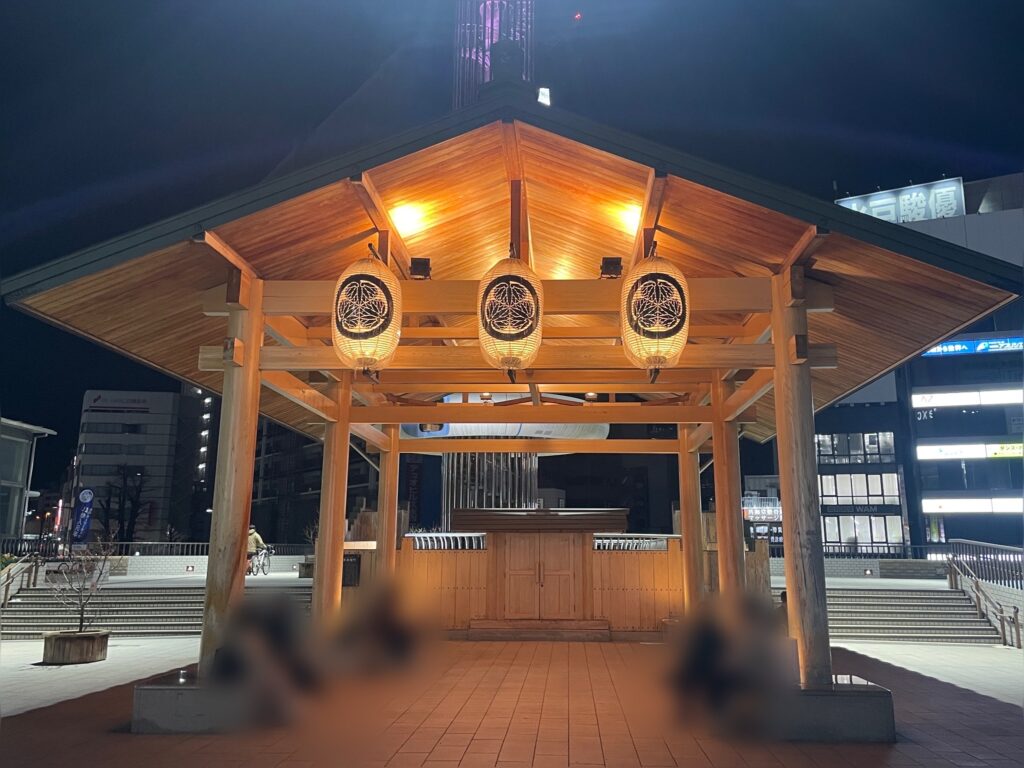
そして水戸駅では、「あの」紋所を目に入れさせていただき、一日の行程を終えました。
And at Mito Station, I was able to see the family crest of the Tokugawa family, who founded the Edo Shogunate, and that concluded my day’s itinerary.
( During the Edo period (1603 to 1868), Mito was a region ruled by one of the Tokugawa families, which succeeded the Edo shogunate. )
★
(つづく)
(to be continued)
ご拝読、有難うございました。
Thank you for your reading this post.
またのお越しを、お待ちしています。
I’m looking forward to your next visit.