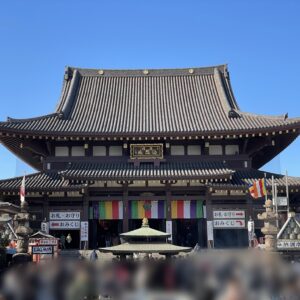
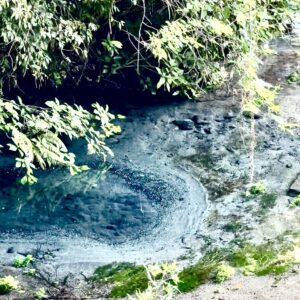
202 A train climbing the mountains of Hakone.
箱根に向かいます。
京都にいる私には少し縁遠い場所で、今回が初めての訪問になります。
I am heading to Hakone.
It is a place somewhat removed from my usual haunts in Kyoto, so this is my first time visiting.
★
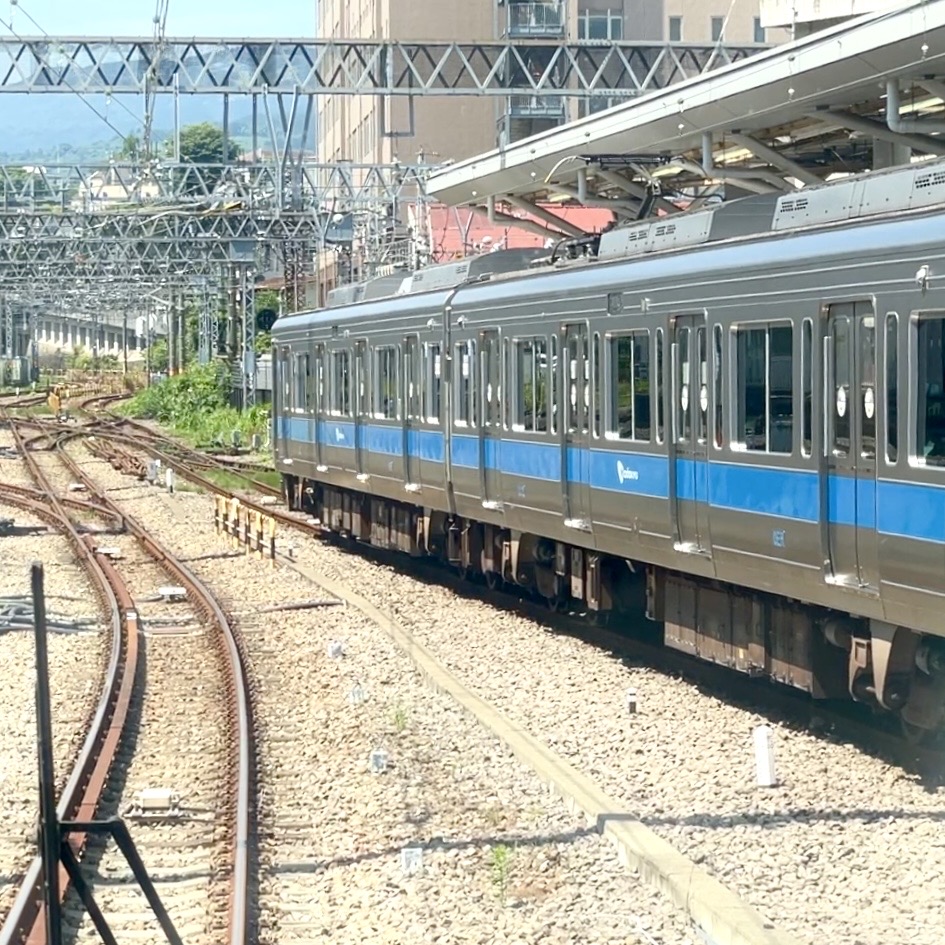
小田急電鉄からの直通列車が、小田原駅を出発しています。
右側には、この駅始発の普通列車が止まっています。
A through-service train from Odakyu Electric Railway is departing from Odawara Station.
On the right, a local train originating at this station is stopped.
★
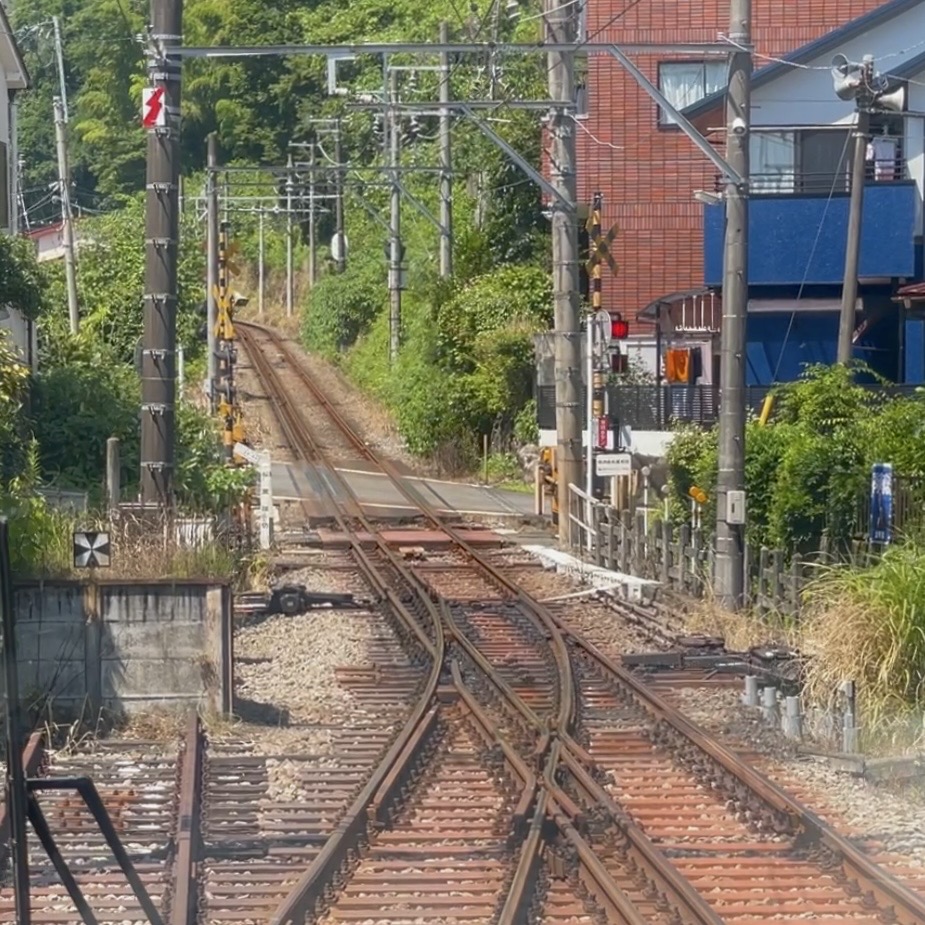
入生田(いりうだ)駅に近接して、小田急電鉄とは線路幅の違う箱根登山線の車庫があるため、この駅から箱根湯本駅までの区間は「3線軌条」となっています。
この少し複雑な分岐器の構造は、興味深いものです。
Because the Hakone Tozan Line depot—which uses a different track gauge than Odakyu Electric Railway—is located near Iriuda Station, the section of track between this station and Hakone-Yumoto Station features a “three-rail” configuration.
The structure of this somewhat complex turnout is interesting.
★
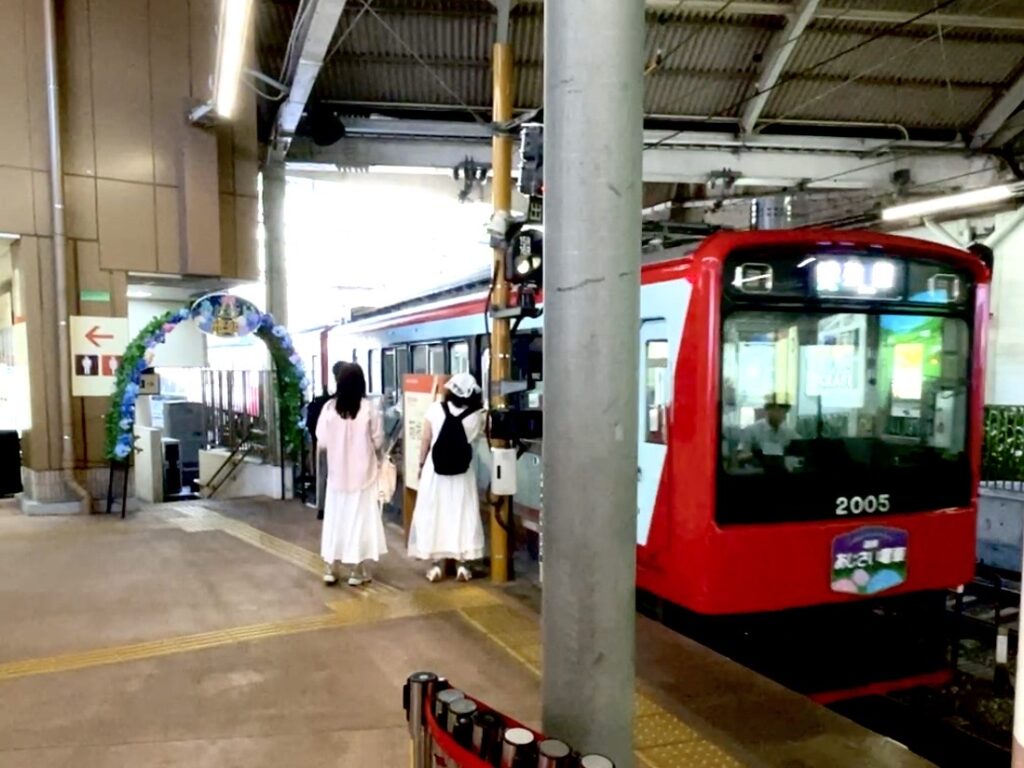
箱根湯本駅からは、箱根登山線の列車へと乗り換えます。
At Hakone-Yumoto Station, transfer to a train on the Hakone Tozan Line.
★
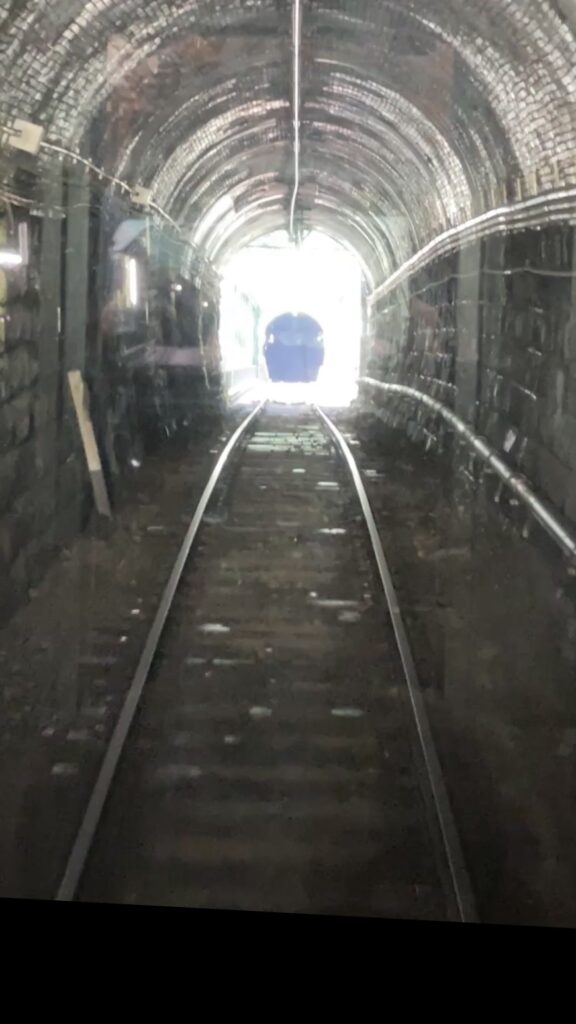
⬆️の画像からも、この路線が「登山」鉄道であることがよくわかります。
この路線の最大勾配は「80‰」、1,000mで80m駆け登り、角度で表すと「約4.5°」となります。
これはアプト式路線を除いた一般的な「粘着式鉄道」では、日本最大の勾配路線となっています。
The image above clearly shows that this line is a “mountain-climbing” railway.
The maximum gradient on this line is 80‰—meaning it climbs 80 meters over a distance of 1,000 meters—which translates to an angle of approximately 4.5 degrees.
Excluding Abt-system lines, this is the steepest railway line in Japan among standard “adhesion railways.”
★
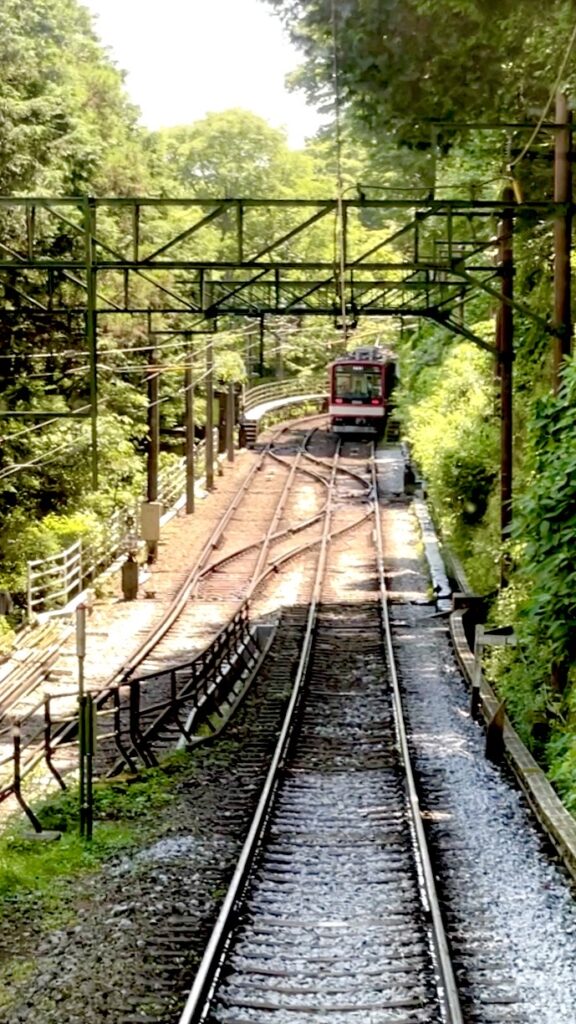
列車後方からの展望ですが、下山する対向列車との、信号場での行き違いです。
私が乗っている列車は、画面左側の線路からこの信号場に入り、行き違いの後、さらに登山を再開しています。
This view from the rear of the train shows a passing maneuver at a signal station with an oncoming train that is descending the mountain.
The train I am on enters this passing loop from the track on the left side of the screen; after passing another train, it resumes its climb up the mountain.
★
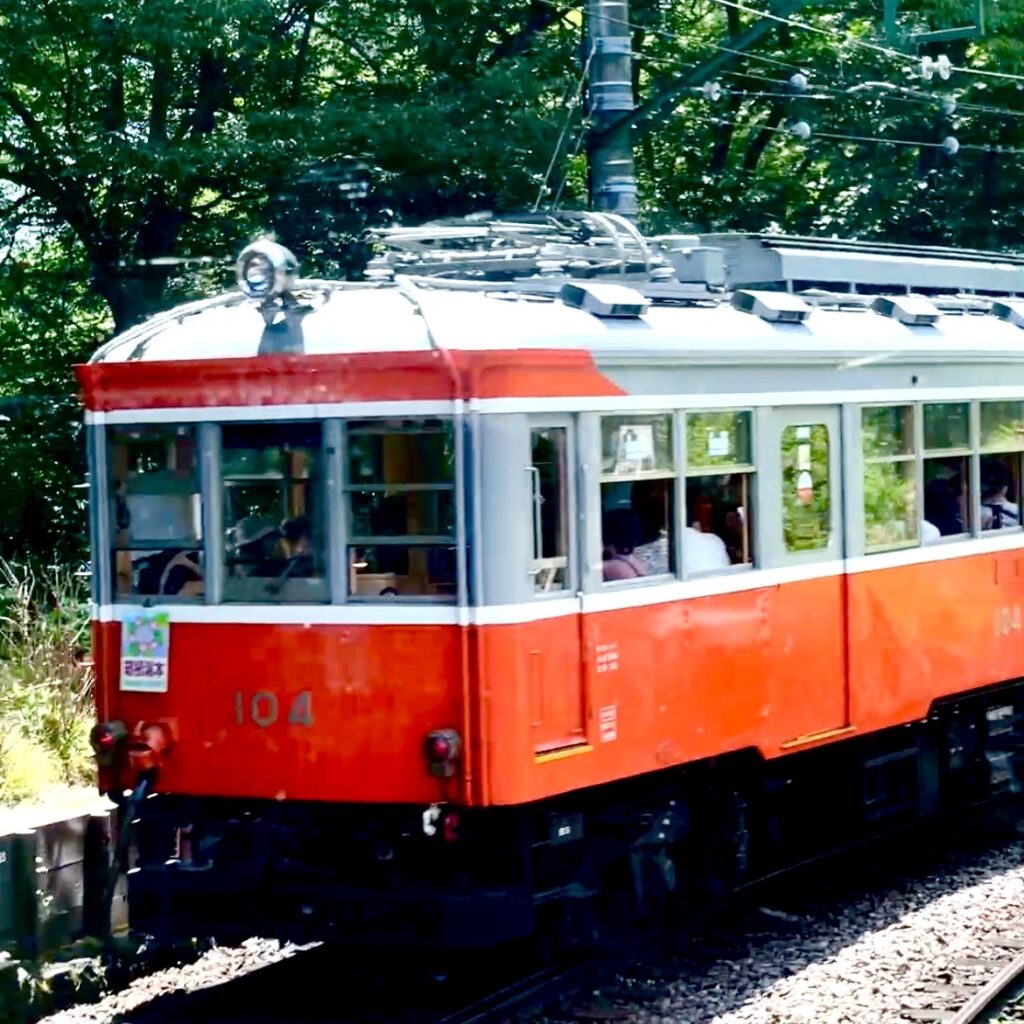
このレトロな100形車両は、なんとこの路線が開業した1919年から走行しているとのこと。
私の暗算に間違いがなければ、車齢100年超えですよね。。
ただ残念ながら、この車両は2028年1月をもっての引退が決まっているようです。
それまでは、なんとか無事故で活躍してほしいものです。
Remarkably, this retro Type 100 vehicle has been in operation since 1919, the year the line first opened.
If my mental math is correct, this train is over 100 years old, isn’t it?
Unfortunately, however, it appears that this vehicle is scheduled to be retired in January 2028.
Until then, I hope they continue to operate successfully and without any accidents.
★
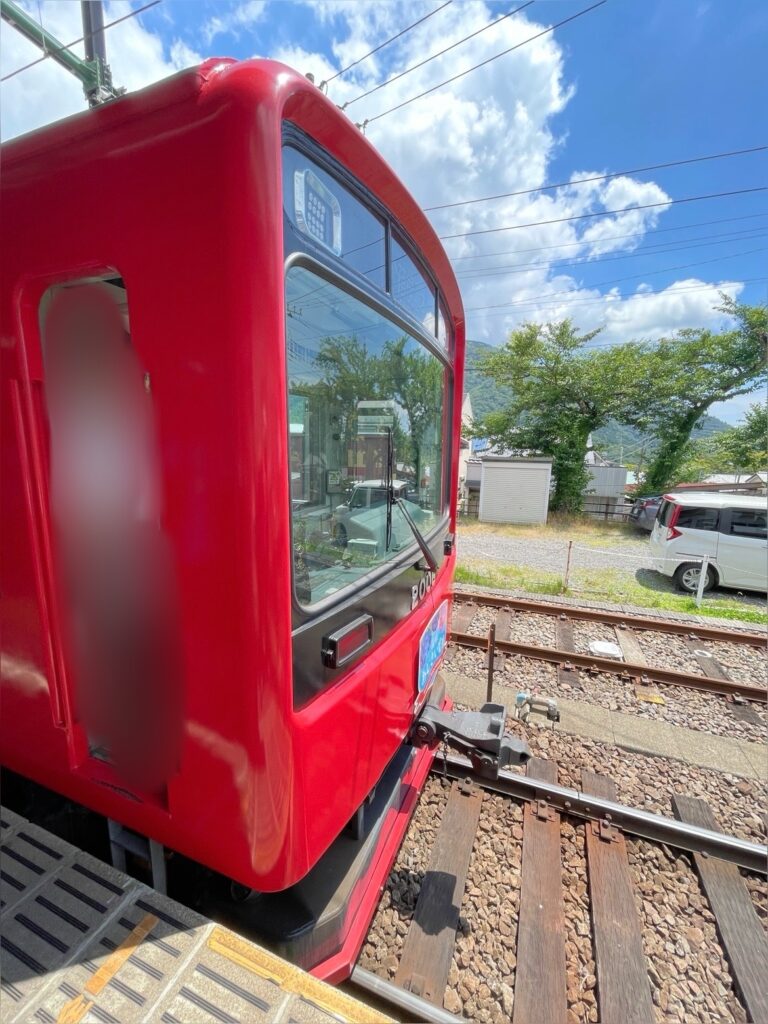
終着の「強羅駅」に到着しました。
JR線からの乗り換えである小田原駅の標高は「14m」、この強羅駅の標高は「553m」ですので、一気に涼しさを感じます。
The train arrived at the terminus, Gora Station.
Odawara Station—where I transferred from the JR line—has an elevation of 14 meters, whereas Gora Station sits at 553 meters; consequently, I felt a sudden drop in temperature.
★
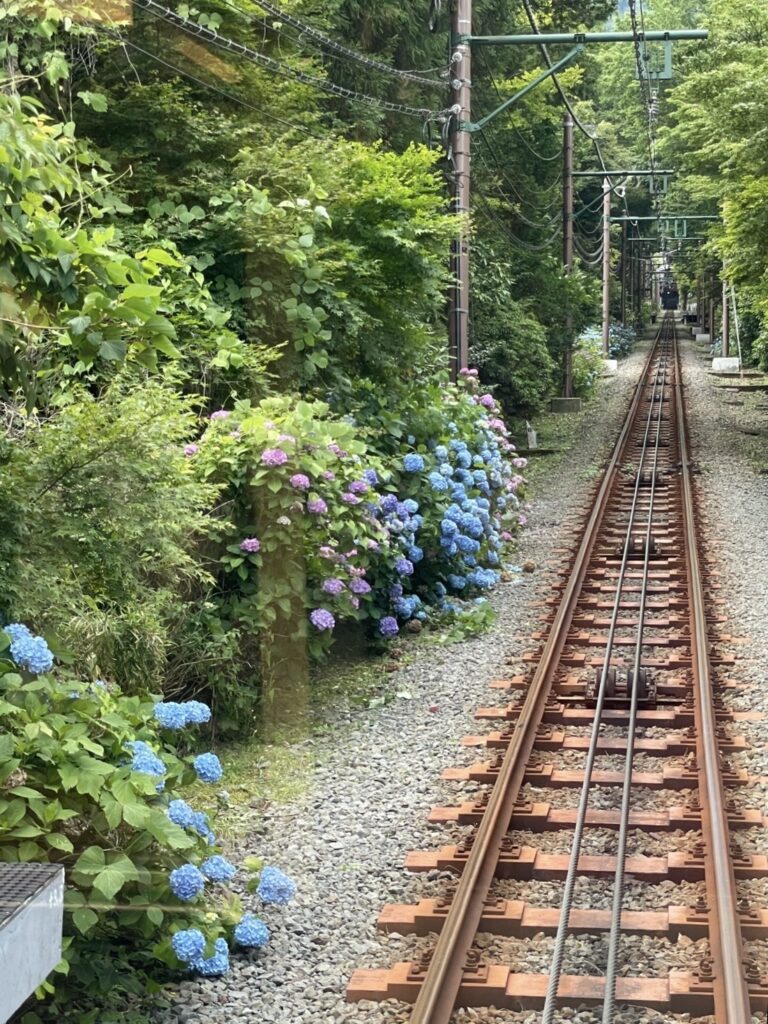
強羅駅でケーブルカーに乗り換え、さらに上を目指します。
箱根登山電車とケーブルカーの線路沿いには、鉄道会社の皆さんが丹精込めて育てておられる「紫陽花」が綺麗に咲き誇っています。
At Gora Station, transfer to the cable car and head further up.
Along the tracks of the Hakone Tozan Railway and the cable car, the hydrangeas—lovingly cultivated by the railway company staff—are in full, beautiful bloom.
★
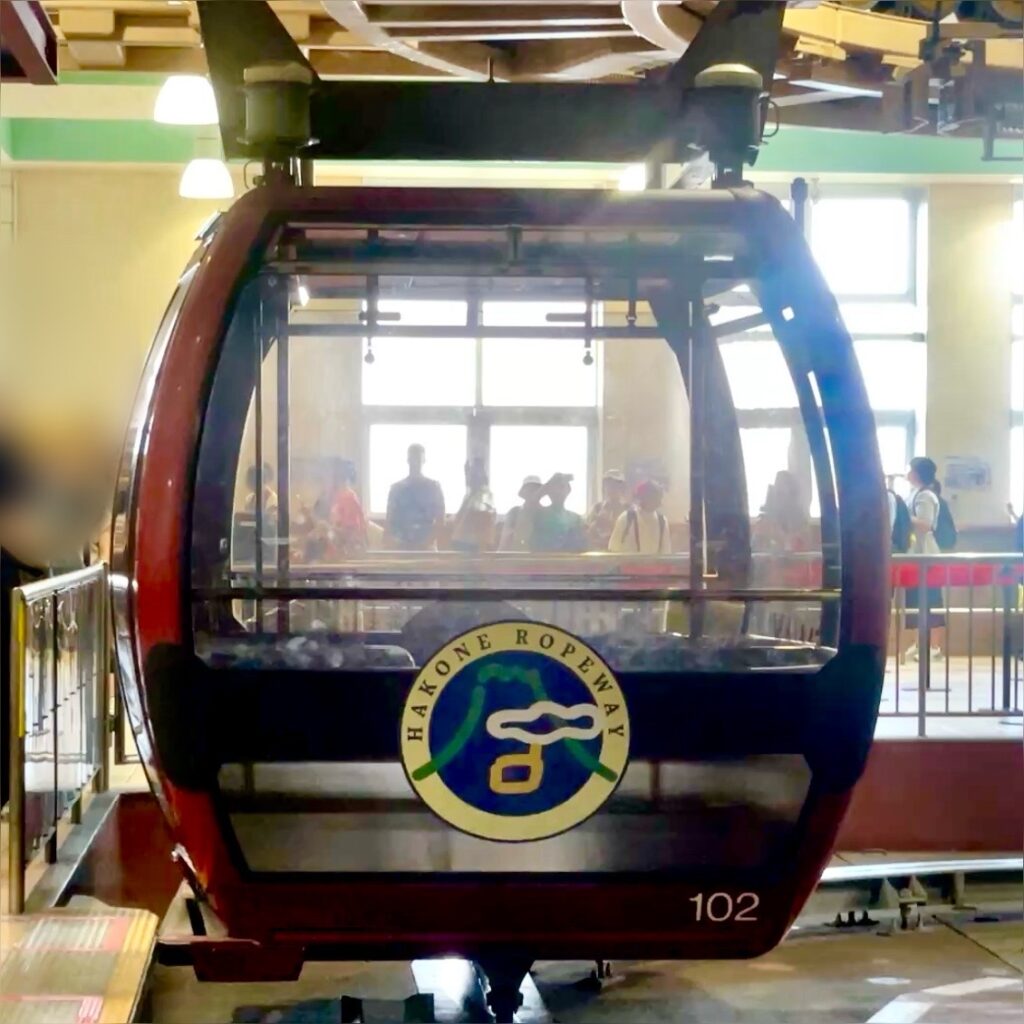
さらに、さらに、ロープウェイに乗り換えて、先へと進みます。
And then, I transfer to a ropeway and continue on my way.
★
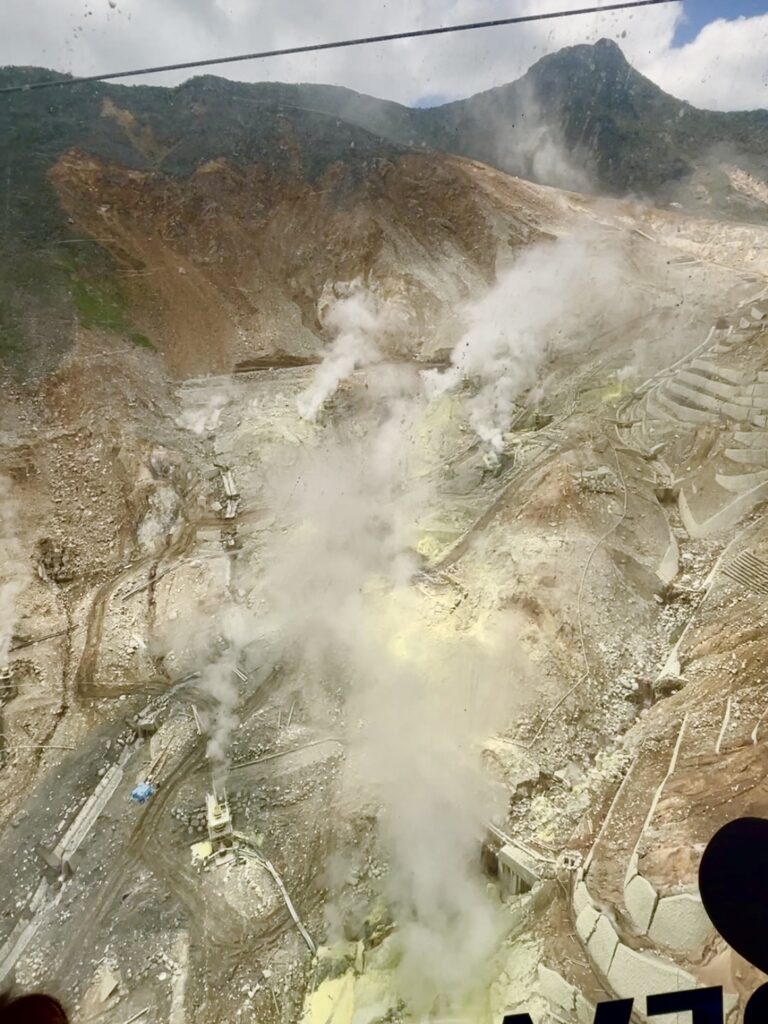
「大涌谷」というエリアでは、「二酸化硫黄」や「硫化水素」といった「火山ガス」がリアルタイムで噴出していて、なかなかの迫力を感じます。
In the Owakudani area, volcanic gases such as sulfur dioxide and hydrogen sulfide are being emitted in real time, creating a truly impressive and powerful spectacle.
★
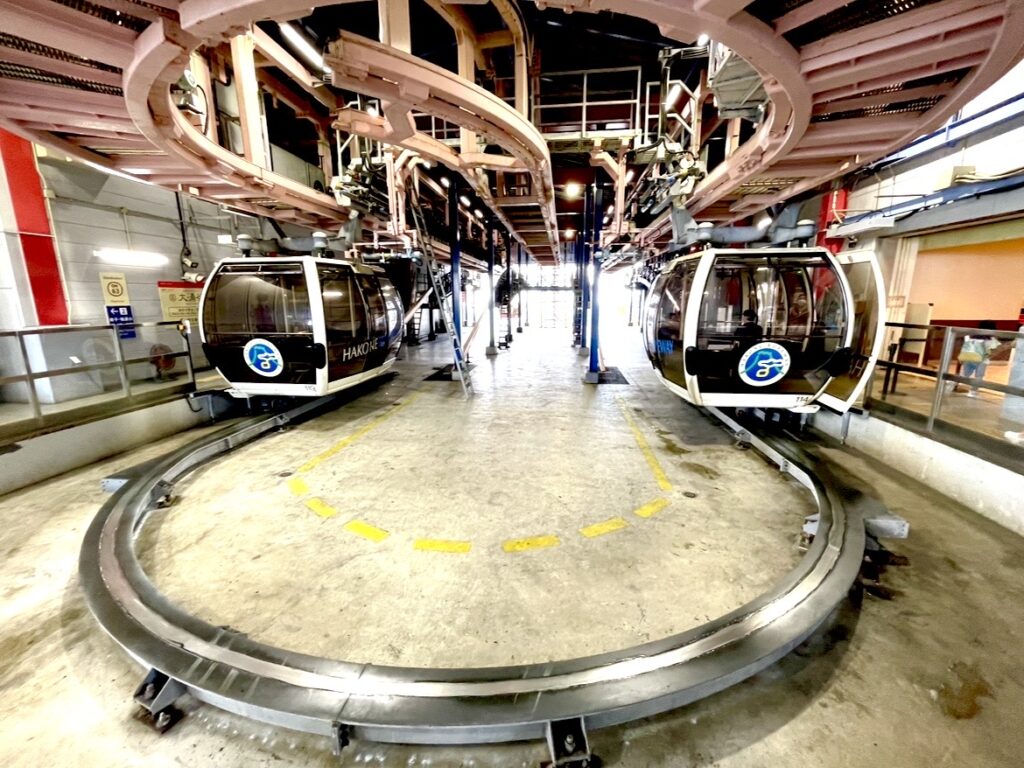
ロープウェイの大涌谷駅です。
このようにゴンドラを回しているのてすね。
This is the Owakudani Station on the ropeway.
So, this is how they rotate the gondolas.
★
ご拝読、有難うございました。
Thank you for your reading this post.
またのお越しを、お待ちしています。
I’m looking forward to your next visit.