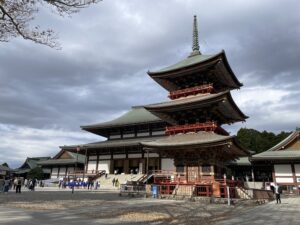
178 Remains of a railway line at Naritasan Shinshoji Temple in Chiba Prefecture.
京都府宇治市に暮らす私。
テレビでは度々目にするものの、未だかつて千葉県にある成田山新勝寺には訪れたことがありませんでした。
I live in Kyoto, in western Japan, and although I often see it on television, I have never visited Naritasan Shinshoji Temple in Chiba Prefecture.
★
一度は行ってみようかなと、地図を見ていると、、
I was looking at the map thinking I should go there once, when…

そこには「電車道」との表示が。。。
There was a sign there that read “Denshamichi (Railway) Avenue.”
★
こうなると、いてもたってもいられなくなり、「現地に行かなくては!」との思いで、一路千葉県に向かいました。
At this point, I couldn’t wait any longer and thought, “I have to go to this place!”, so I headed straight for Chiba Prefecture.
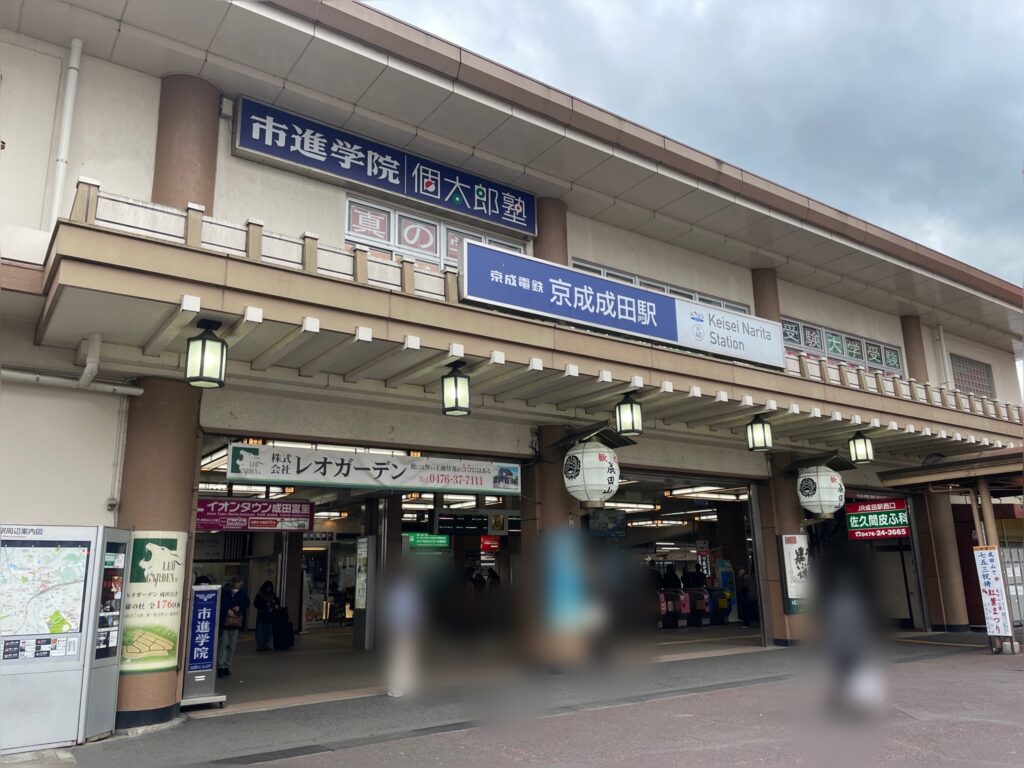
降り立ったのは、京成電鉄の「京成成田駅」。
ここから「電車道」であろう場所に、足を向けます。
I got off at Keisei Narita Station on the Keisei Electric Railway.
From here, I head towards what appears to be a “denshamichi” .
★
と、その瞬間、目に飛び込んできたのは、、
And at that moment, what caught my eye was…

京都発祥の「王将」。。。
「ここにも王将あるやん!」と、無意識に声が上がります。
高まる「京都愛」と、沈静化する「旅情」がせめぎ合います。
あくまで私見なのですが、「王将」は「王将」であって、「中華料理店」のカテゴリーには属し難いものだと思っています。
多くの京都人にとって「王将」に行く時には、「中華食べに行こか?」ではなく「王将行こか?」なくらいの存在なのです。
Osho is a Chinese restaurant chain that originated in Kyoto.
“There’s an Osho here too!” I unconsciously exclaimed.
There is a struggle between the growing love for Kyoto and the fading sense of travel.
This is purely my personal opinion, but I believe that Osho, which has already become the soul food of Kyoto residents, is Osho and cannot easily be categorized as a “Chinese restaurant.”
For many Kyoto people, when they go to Osho, they don’t think, “Shall we go to eat Chinese food?” but rather, “Shall we go to Osho?”
★
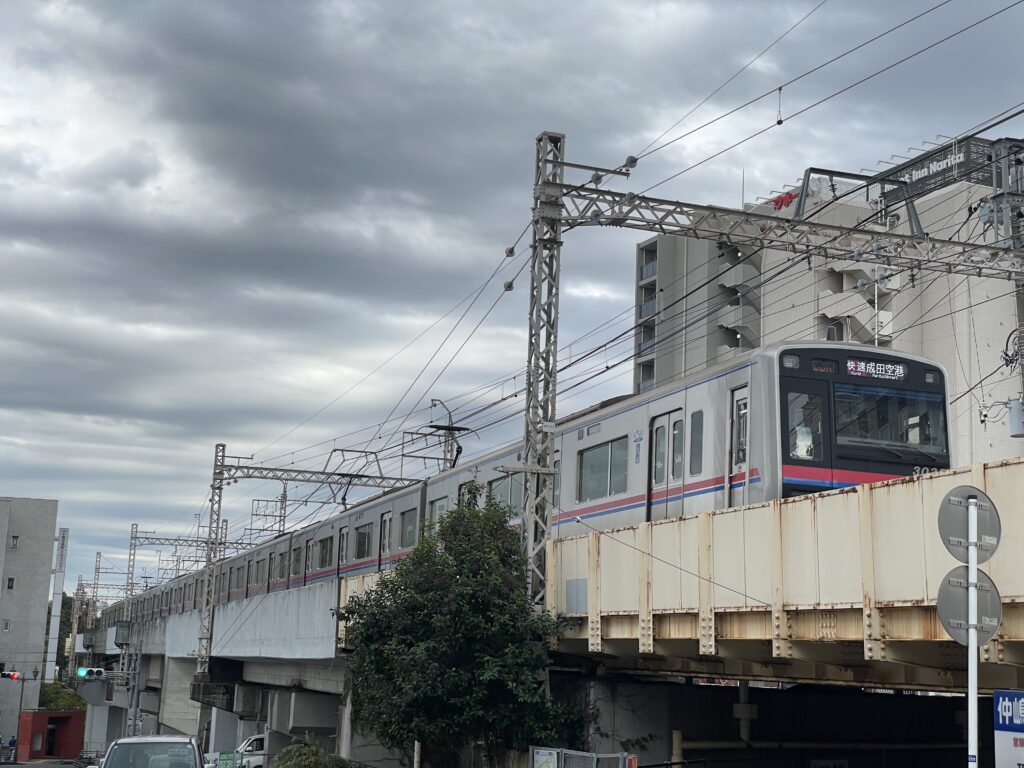
なんとか「王将」で逸脱した気持ちを「電車道」へとリセットし、散策を続けます。
I somehow manage to reset my wanderlust at Osho and return to Denshamichi, and continue my stroll.
★
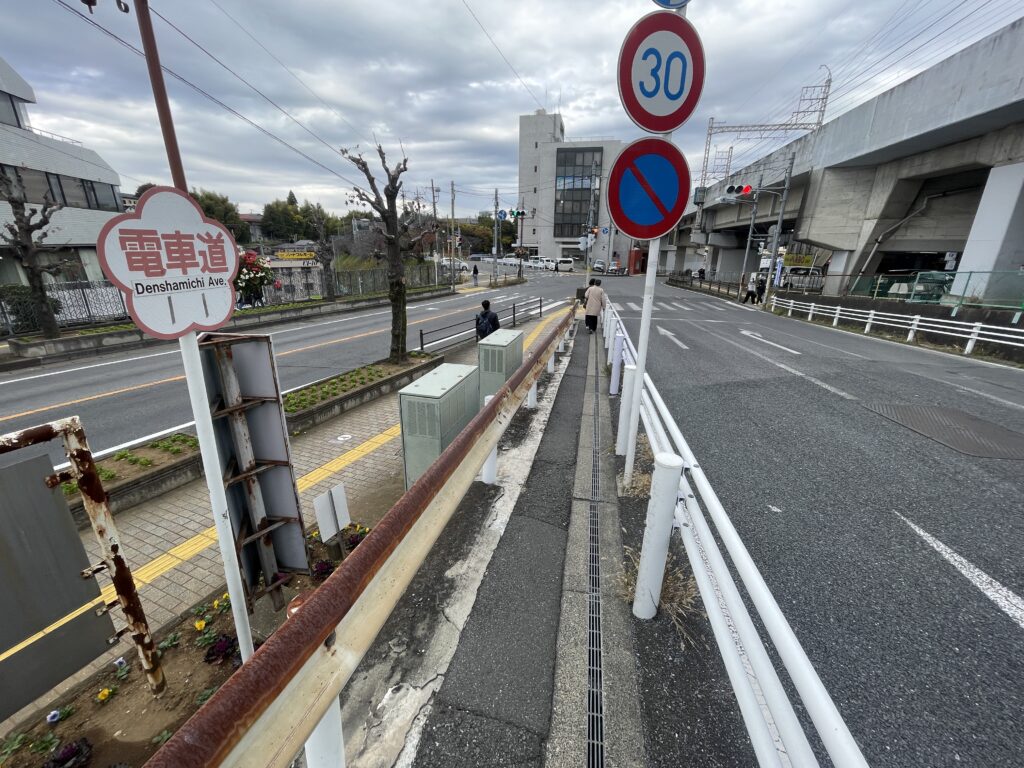
どうやら、道のりは合っているようです。
Apparently, we’re on the right track.
★
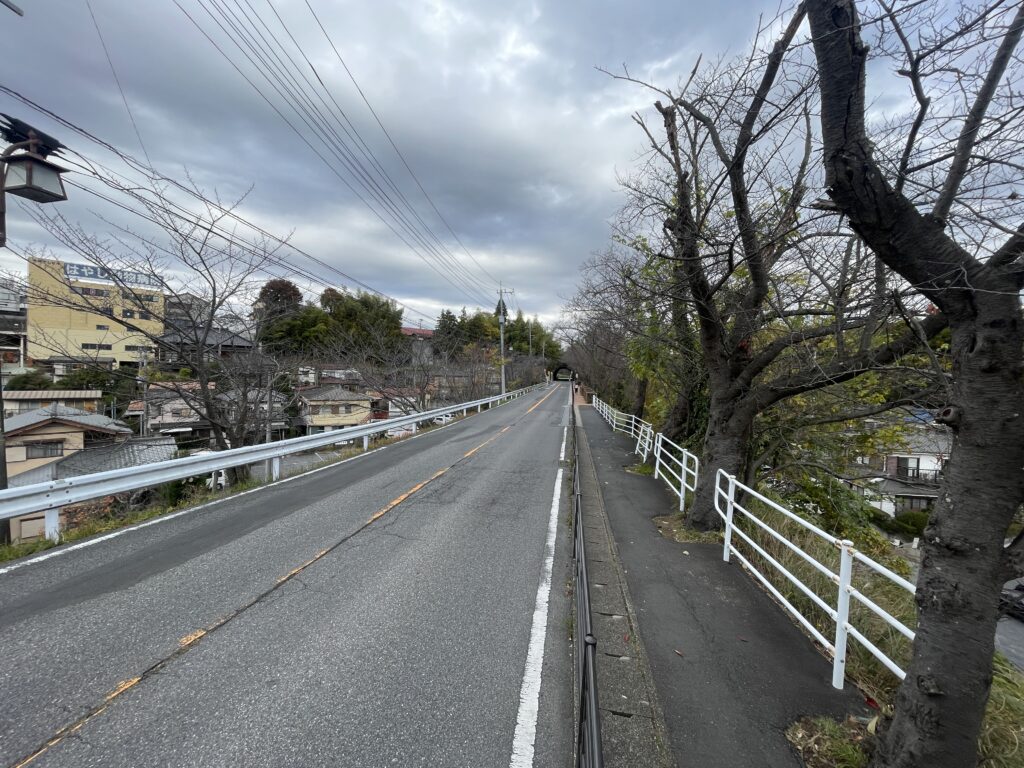
⬆️の地図では「赤い丸印」のあたりです。
道路の両側が、一段低くなっていることがわかりますでしょうか?
あくまで推測なのですが、この部分は鉄道の線路を敷設するために、軌道部分を「盛土」で成形したものではないかと思います。
こういった想像を巡らせるのも、「廃線跡探訪」の面白さです。
On the map above, it is around the red circle.
Can you see that both sides of the road are lower?
This is just a guess, but I think this part was created by filling the track area with earth in order to lay railway tracks.
One of the fun things about exploring abandoned railway lines is letting my imagination run wild like this.
★
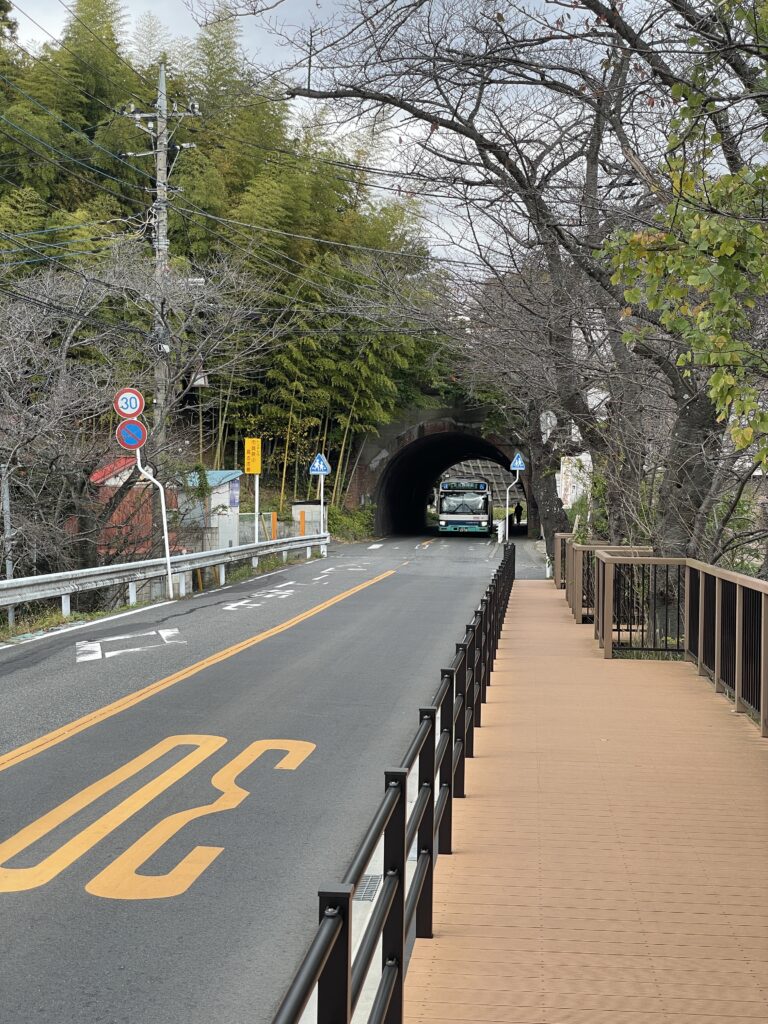
最初のトンネルです。
まさに「鉄道遺構」の雰囲気を醸し出しています。
This is the first tunnel.
It truly exudes the atmosphere of a “railway relic.”
★
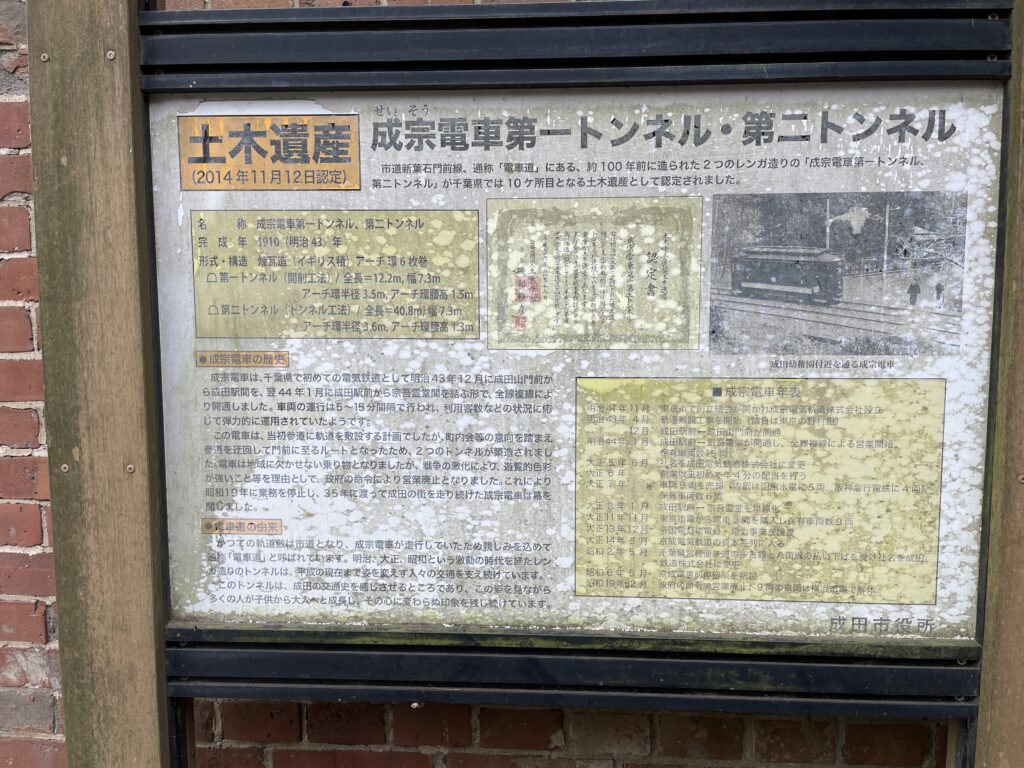
トンネルを出たところには、案内板が設置されていました。
There was a signpost where I came out of the tunnel.
★
続いて、2つ目のトンネルです。
Next is the second tunnel.

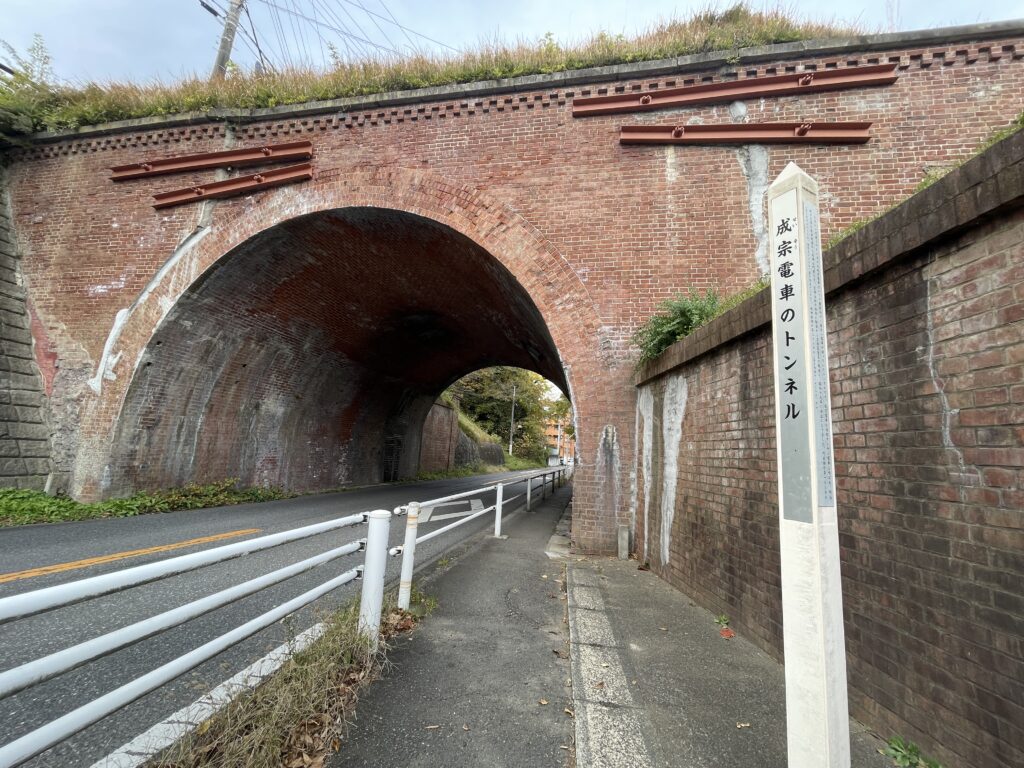
風格のある建造物で、歴史の重みを感じます。
It was a stately building and I felt the weight of history.
★

この辺りが、終着駅だったのでしょうか。
今も賑わいを感じます。
この「電車道」については、成田市さんのホームページに記事がありますので、リンクをはらせていただきます。
Was this the final stop?
It still feels bustling today.
There is an article about this “Train Road” on the Narita City website, so I will include a link here.
https://www.city.narita.chiba.jp/content/000022867.pdf
★
ご拝読、有難うございました。
Thank you for your reading this post.
またのお越しを、お待ちしています。
I’m looking forward to your next visit.